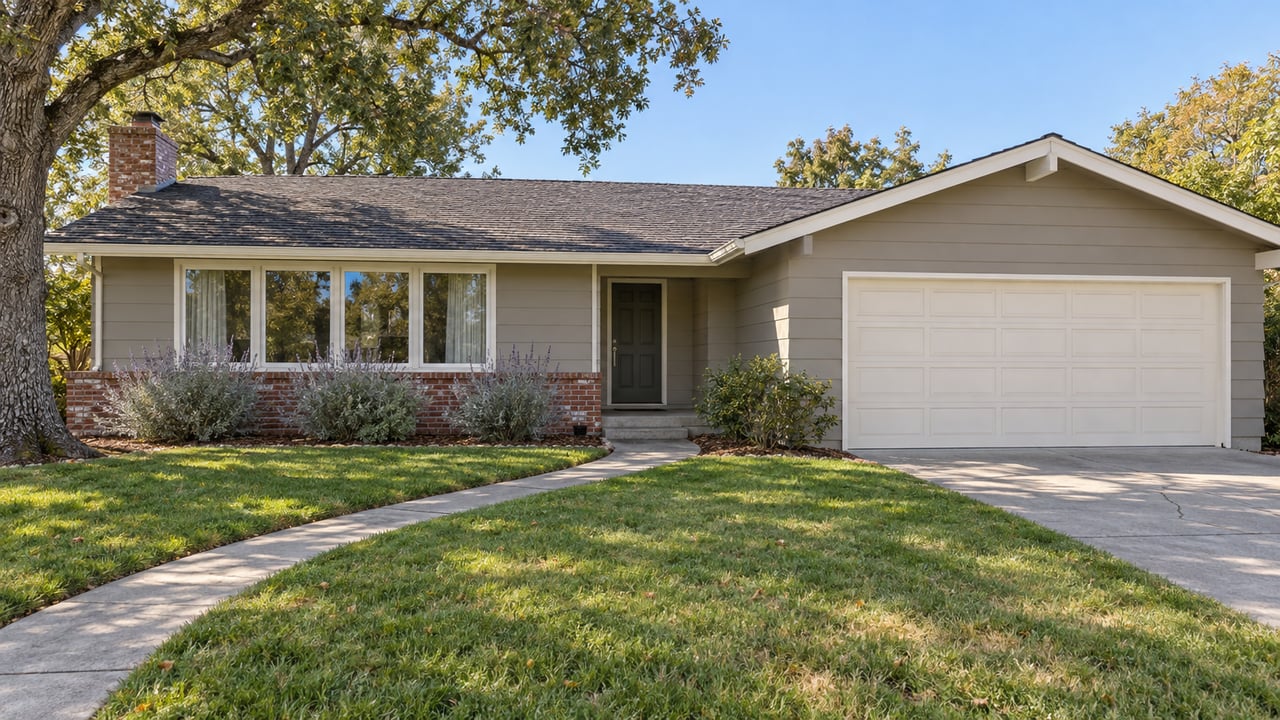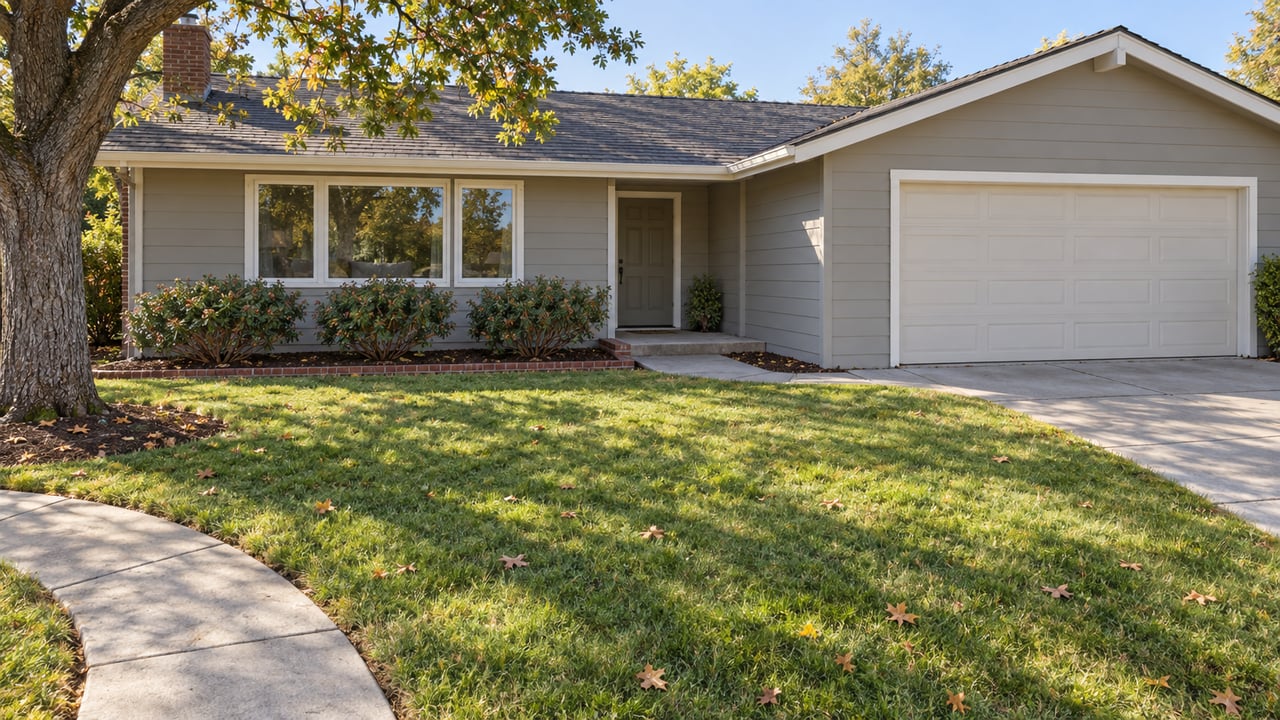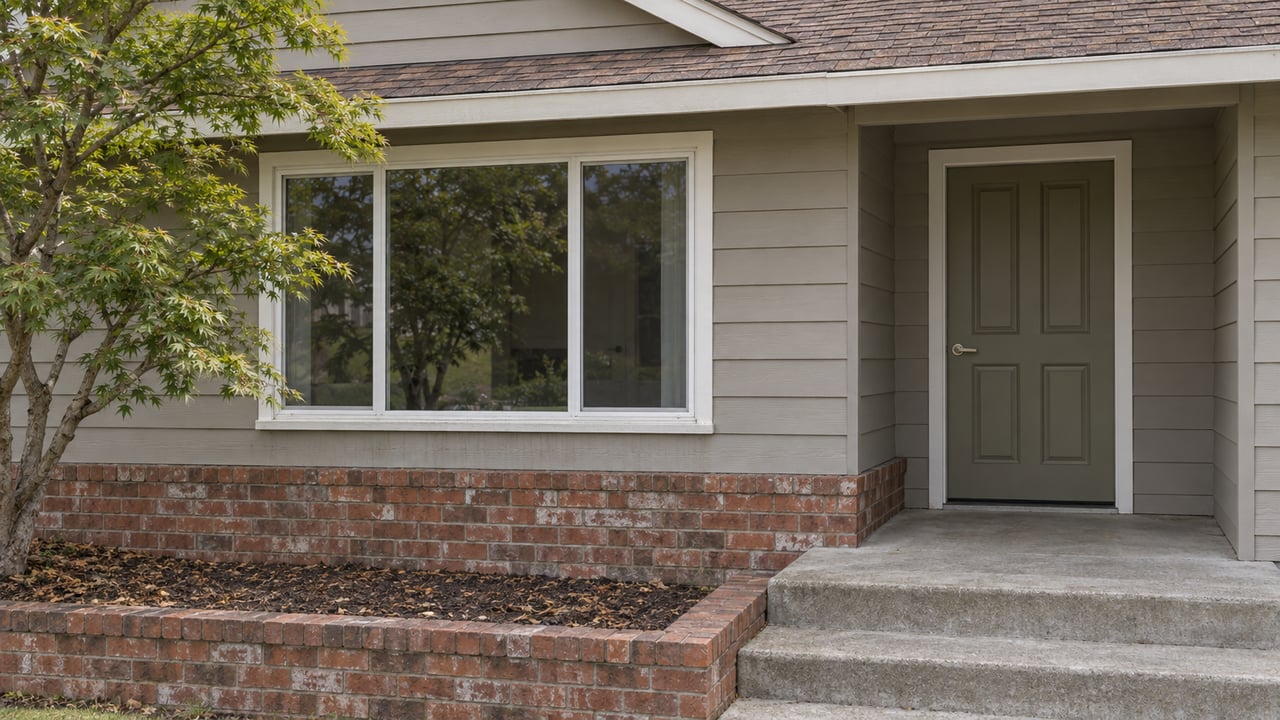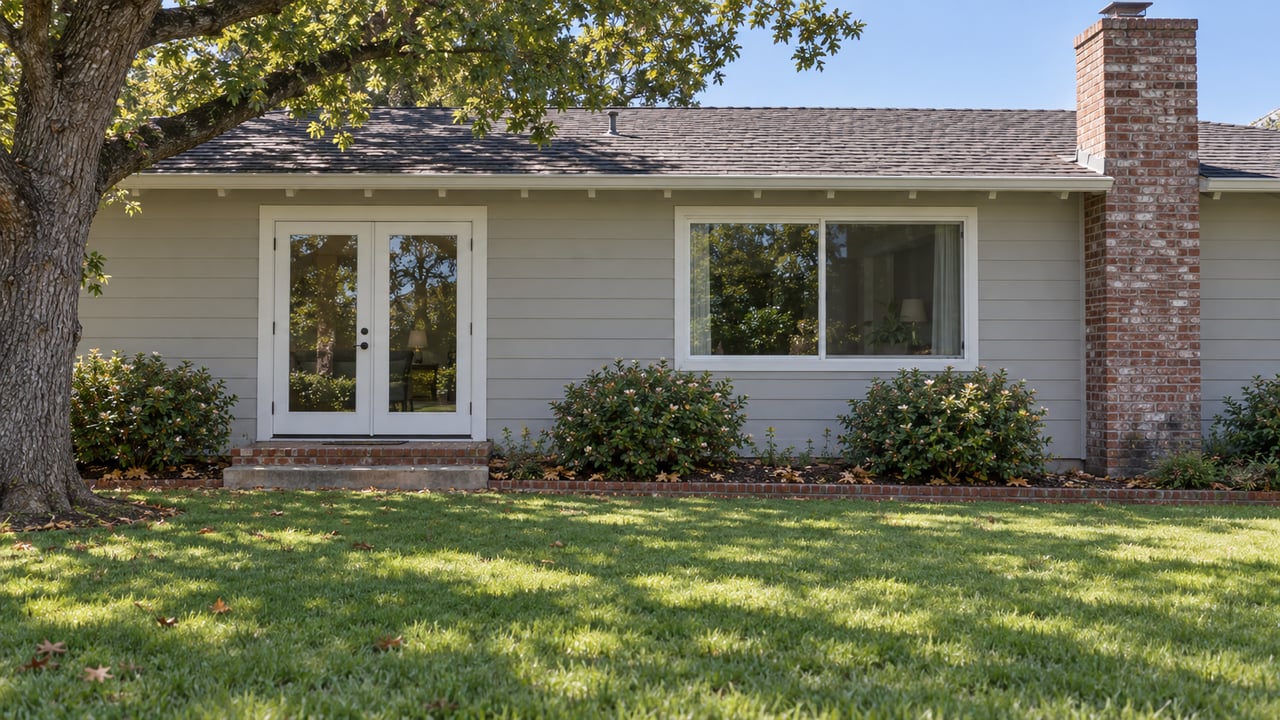
If you are considering Moraga Country Club, you are not just choosing a home. You are also choosing a community structure, a set of amenities, and an ownership model that works differently from many nearby neighborhoods in Moraga. That can feel exciting and a little complex at the same time, especially if you are comparing homes inside the club with homes just outside it. This guide will help you understand what makes this area distinct, what to review before you buy, and how to compare your options with confidence. Let’s dive in.
What Moraga Country Club Is
Moraga Country Club is a combined country club and homeowners association located at 1600 St. Andrews Drive in Moraga. According to the club, the community includes 521 private residences and was established in 1973. For buyers, that means this is not simply a neighborhood next to a club. The residential and club framework are closely connected.
That connection is one of the most important things to understand early in your search. Town materials for the clubhouse expansion describe homeowner membership as automatic when a home is purchased in the community. In practical terms, your home purchase may involve not only the property itself, but also club access, governing documents, and fee structures that are part of ownership.
Why Buyers Look Here
Moraga sits between Orinda and Lafayette in the East Bay hills, within the broader Lamorinda area that many buyers target for its residential setting and access to recreation. The Town of Moraga highlights natural landscape, leisure opportunities, and a safe environment as part of the community’s identity. That broader setting helps explain why Moraga Country Club continues to attract attention from buyers who want both neighborhood feel and nearby amenities.
Within the immediate pocket, the layout is also useful to understand. Town CEQA materials describe the club and golf course core as bordered by single-family residential development across Moraga Way and St. Andrews Drive, with office buildings and a service station on other edges. If you are choosing between a home inside the club and one nearby, this context can help you picture the surroundings more clearly.
Amenities That Shape Daily Life
The club amenities are a major part of the appeal for many buyers. The current club website lists an 18-hole golf course, clubhouse restaurant, courtside grille, racquet facilities, fitness center, swimming pool, and bocce courts. The clubhouse itself includes a dining room, bar, lounge area, patio seating, adult locker rooms, children’s locker rooms, and meeting rooms.
These features matter because they can shape your day-to-day experience in a very direct way. Some buyers value the convenience of having recreation and dining within the community. Others are drawn to the visual setting created by the club grounds and shared facilities.
Golf Course Setting
The golf course is another defining feature of the neighborhood. The club describes it as a Robert Muir Graves design, measuring 6,150 yards and playing to par 71, with routing through the hills, canyons, and creeks of Moraga and Orinda. Even if you do not play golf, the course contributes to the look and feel of the area.
For many buyers, this is part of the appeal. Open views, landscaped fairways, and a community organized around the course can make the environment feel different from a more standard subdivision. It is worth thinking about whether that setting fits your lifestyle and priorities.
Racquet, Pool, and Fitness Access
The aquatics program includes a heated Junior Olympic pool, a wading pool, and two spas. The racquet program includes 10 tennis courts and 6 permanent pickleball courts. The club also lists a fully furnished fitness center and three bocce courts.
If you want built-in recreational options close to home, these amenities can be a meaningful part of your decision. They can also affect how you compare value between homes inside the club and homes elsewhere in Moraga that do not include the same bundled access.
Comparing Homes Inside and Nearby
One of the biggest buyer questions is simple: should you focus inside Moraga Country Club, or also look at nearby homes just outside it? The right answer depends on how much you value the bundled community model.
Inside the club, the home, membership structure, fees, and rules are intertwined. Nearby homes may offer a different ownership structure and a different level of flexibility. If you are looking at both, it helps to compare not just price and square footage, but also ongoing costs, governance, lifestyle fit, and the recorded ownership documents.
Ownership Structure Matters
This is an area where buyers should slow down and read carefully. Moraga Country Club materials reference membership classes that include Owner Members, Golf Equity Members, and Swim and Tennis Affiliates. The board also posts governing documents such as CC&Rs, bylaws, rules and regulations, architectural rules, election rules, assessment collection policy, membership waitlist policies, IDR and ADR summaries, reserve studies, and audited financials.
In the broader California context, the Department of Real Estate explains that common-interest developments are governed by HOAs and that ownership form matters more than exterior appearance. A home that looks detached may still have a recorded structure that differs from a traditional single-family subdivision. If you are also comparing nearby townhomes, condos, or detached properties, make sure you evaluate each property by its actual recorded documents, not just by how it looks from the street.
Fees and Due Diligence to Review
Before you buy in Moraga Country Club, review the latest disclosure package carefully. The current fee schedule posted on the board page lists a home sale administrative fee of $5,000. It also lists an equity member initiation fee of $75,000 with monthly dues of $1,008, and a swim and tennis initiation fee of $15,000 with monthly dues of $775.
The same schedule lists a tenant registration fee of $1,000, a tenant security deposit of $100, and waitlist deposit items. Since fees and policies can change, buyers should verify the current figures and terms in the most recent disclosures rather than rely on older marketing materials or past transactions.
Documents to Request
A smart buyer will want more than the basic property disclosures. The board page also lists a $250 document fee when the seller requests a package containing the CC&Rs, bylaws, rules and regulations, articles of incorporation, and other required items. These documents can help you understand renovation rules, use restrictions, financial obligations, and dispute procedures before you close.
As you review them, focus on questions like:
- What is included with ownership?
- What fees apply at closing and monthly?
- Are there waitlists tied to certain membership categories?
- What architectural rules apply to exterior changes?
- What rental-related rules apply if you may lease the property later?
- What do reserve studies and audited financials suggest about the community’s planning?
What to Know if You May Rent It Out
Some buyers want a primary home today with the option to lease it in the future. Others are evaluating Moraga properties from an investor or long-term stewardship perspective. In that case, it is important to know that the board fee schedule includes tenant registration and tenant security-deposit line items.
That suggests rental activity is part of the community’s administrative framework. Still, you should confirm the current rental rules directly in the governing documents and disclosure package. Do not assume that a fee line item tells the whole story about leasing rights, timelines, or tenant procedures.
Lifestyle Beyond the Club
Moraga Country Club is a strong lifestyle option, but the broader town also adds to the appeal. The Town of Moraga notes that there are many local trails for walking, hiking, and running, including the Lafayette/Moraga Regional Trail. The town also notes that permits are required on EBMUD trails, which is useful to know if outdoor access is part of your decision-making.
This matters because your day-to-day life may extend well beyond the club grounds. If you are comparing Moraga Country Club with nearby homes, think about how often you would use the club amenities versus trails, parks, and the broader Lamorinda setting. That can help you decide where the best value lies for your household.
Safety and Emergency Planning
Buyers in Moraga should also understand the local emergency planning framework. The Town says the Moraga-Orinda Fire District provides fire protection and emergency medical services across 42 square miles and responds to more than 3,000 incidents annually. The Town also states that Moraga has 23 evacuation zones tied to the county warning system.
In addition, the Town says its current local hazard mitigation plan was adopted in June 2025 for the 2024 to 2029 period. For buyers, this is a reminder that due diligence in Moraga is not only about the property and HOA. It is also about understanding local preparedness, evacuation information, and how a home fits into the town’s planning framework.
How to Compare Moraga Country Club With Nearby Homes
When you compare homes in this part of Moraga, it helps to look at the decision through a few practical lenses rather than price alone.
Compare the Full Cost
A home inside Moraga Country Club may come with amenities and access that change the ownership experience. It may also come with administrative fees, initiation fees, monthly dues, and governing obligations that do not apply in the same way outside the community. Always compare total ownership cost, not just the purchase price.
Compare the Ownership Model
A nearby home may offer a more traditional ownership structure, or it may be part of another HOA or common-interest development. The California Department of Real Estate guidance makes this point clear: recorded ownership structure matters more than visual style. That is especially important when comparing detached homes with attached homes, townhomes, or condos in the same general area.
Compare the Lifestyle Fit
Some buyers want golf, racquet sports, a pool, dining, and a built-in social framework near home. Others want more separation between their residence and their recreation choices. Neither approach is better. The key is choosing the model that matches how you actually plan to live.
Buying With Clarity in Moraga
Moraga Country Club can be a great fit if you want a bundled residential-and-recreation community in the Lamorinda setting. The main thing to remember is that buying here is about more than choosing a floor plan or lot. You are also choosing a governance structure, a fee schedule, and an amenity package that are woven into ownership.
If you are deciding between the club and nearby homes, a clear side-by-side analysis can save time and reduce surprises. That is where local guidance matters. A careful review of disclosures, recorded ownership details, fees, and lifestyle priorities can help you move forward with confidence.
If you are exploring Moraga Country Club or nearby homes in Moraga, Rochford Real Estate can help you compare options, review the practical details, and make a confident move in Lamorinda.
FAQs
What is Moraga Country Club in Moraga, CA?
- Moraga Country Club is a combined country club and homeowners association at 1600 St. Andrews Drive in Moraga with 521 private residences, according to the club.
Do you automatically get club membership when buying in Moraga Country Club?
- Town CEQA materials for the clubhouse expansion describe homeowner membership as automatic when a home is purchased in the community.
What amenities does Moraga Country Club offer to homeowners and members?
- The club lists an 18-hole golf course, clubhouse restaurant, courtside grille, tennis and pickleball courts, fitness center, swimming pool, bocce courts, and clubhouse gathering spaces.
What fees should buyers review before purchasing in Moraga Country Club?
- Buyers should review the latest disclosure package for items such as the home sale administrative fee, initiation fees, monthly dues, document fees, and any waitlist-related charges because posted schedules can change.
Can you rent out a home in Moraga Country Club?
- The board fee schedule includes tenant registration and tenant security-deposit line items, but you should confirm current rental rules and any limits in the governing documents.
How should buyers compare Moraga Country Club homes with nearby Moraga properties?
- Compare total ownership cost, recorded ownership structure, governing documents, and lifestyle fit, not just price, layout, or exterior appearance.