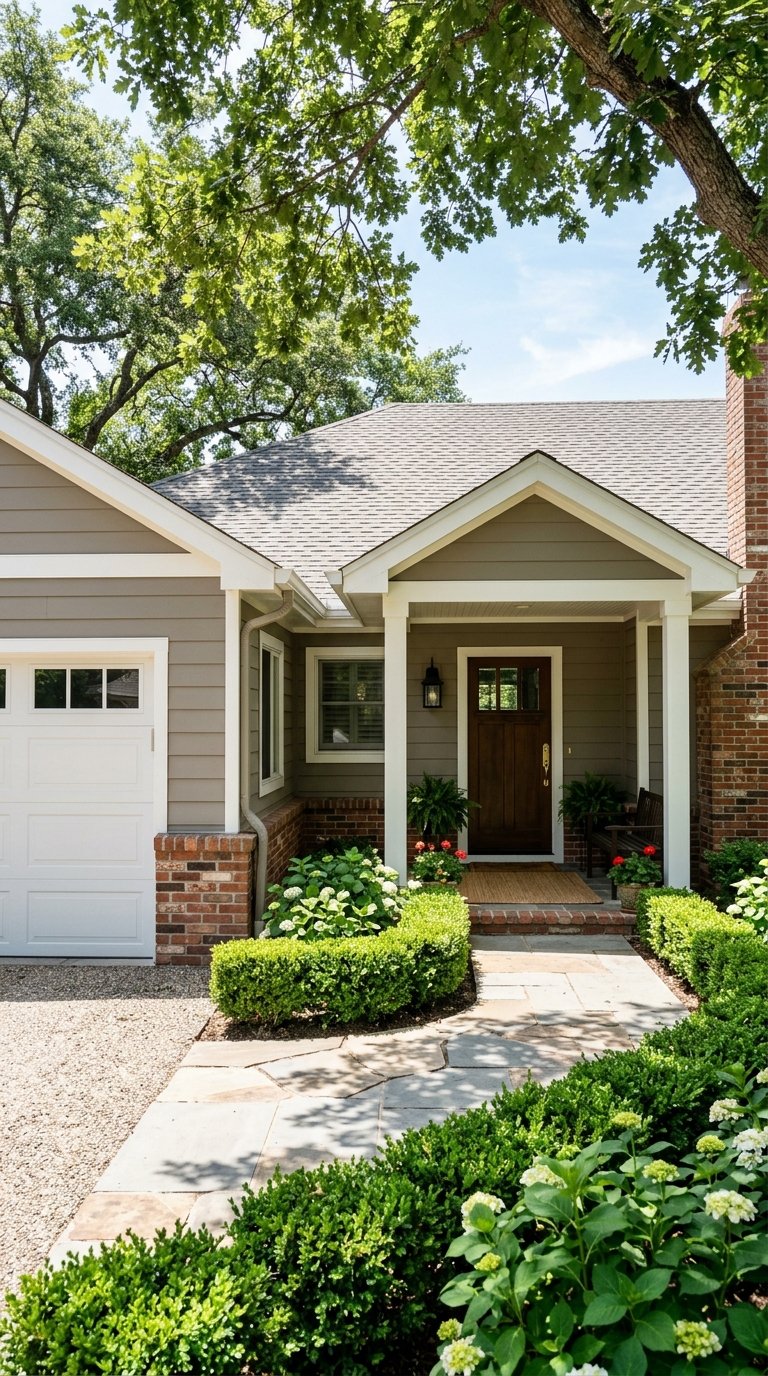
Moving for work sounds simple until you start comparing neighborhoods, commute options, and home styles all at once. If you’re relocating to San Ramon for a job at Bishop Ranch or another nearby office, you’re likely trying to balance convenience, lifestyle, and long-term fit without having weeks to explore in person. This guide will help you narrow your options, understand how San Ramon is laid out, and focus your search on the areas that best match the way you actually want to live. Let’s dive in.
Why San Ramon Works for Relocating Professionals
San Ramon sits in Contra Costa County about 35 miles east of San Francisco and has roughly 83,000 residents across 18.56 square miles. For a work-driven move, it helps that the city is organized into distinct planning subareas, including Crow Canyon, Southern San Ramon, Twin Creeks, Dougherty Hills, Dougherty Valley, Westside, and Tassajara Valley.
That structure matters because San Ramon is not a one-size-fits-all market. You can find detached homes, townhomes, condos, apartments, and higher-density infill housing depending on where you look. If you are relocating on a deadline, knowing which area fits your routine can save you time and reduce decision fatigue.
Start With Your Commute First
For many buyers relocating to San Ramon, Bishop Ranch is the center of the decision. It is a 585-acre campus with 5 million square feet of Class A office space and 1 million square feet of retail and entertainment, plus practical features like regional transit access, EV charging, bike sharing, the Presto Bus, and on-site childcare.
City Center Bishop Ranch adds another strong lifestyle layer with retail, dining, entertainment, fitness, and a central gathering place along Bollinger Canyon Road. If you expect to spend a lot of time around Bishop Ranch, your home search should start with how often you will need to get there and how you want that trip to feel.
Ask yourself these commute questions
- How many days per week will you commute?
- Do you want to drive every day, or would you realistically use bus, bike, or trail access?
- Do you need all-day flexibility, or can you work with peak-hour transit service?
- Would you trade a longer drive for newer housing, a larger lot, or more open-space access?
Those answers will shape your search more than broad ideas about “best neighborhoods.” In San Ramon, the right area often depends on whether you prioritize speed, housing type, or day-to-day convenience.
Know the Main Areas to Compare
Crow Canyon and City Center Corridor
If your top priority is staying close to Bishop Ranch, Crow Canyon is one of the first areas to study. This subarea runs along both sides of Interstate 680 and Crow Canyon Road from Bollinger Canyon Road to Alcosta Boulevard and includes major retail centers, office buildings, and a strong mix of nonresidential uses.
This is also where infill housing shows up more clearly. Projects like Acre added townhomes and live-work units, which reflects the area’s more mixed-use and somewhat higher-density feel compared with other parts of the city.
For a relocating buyer, this area often makes sense if you want to minimize commute time and stay close to City Center amenities. It can be a practical fit if you are open to townhome-style or mixed-use living rather than focusing only on traditional detached-home neighborhoods.
Southern San Ramon
Southern San Ramon is one of the city’s older residential areas and is primarily made up of single-family homes on parcels of about 6,500 to 10,000 square feet. The city notes mature landscaping in this area, along with nearby amenities such as parks, the San Ramon Golf Club, the Alcosta Senior and Community Center, and recreation facilities.
A major advantage here is connectivity. The Iron Horse Trail provides bicycle and pedestrian access to Bishop Ranch, City Center, and the North Camino Ramon area, which can be a meaningful quality-of-life feature if you want options beyond driving.
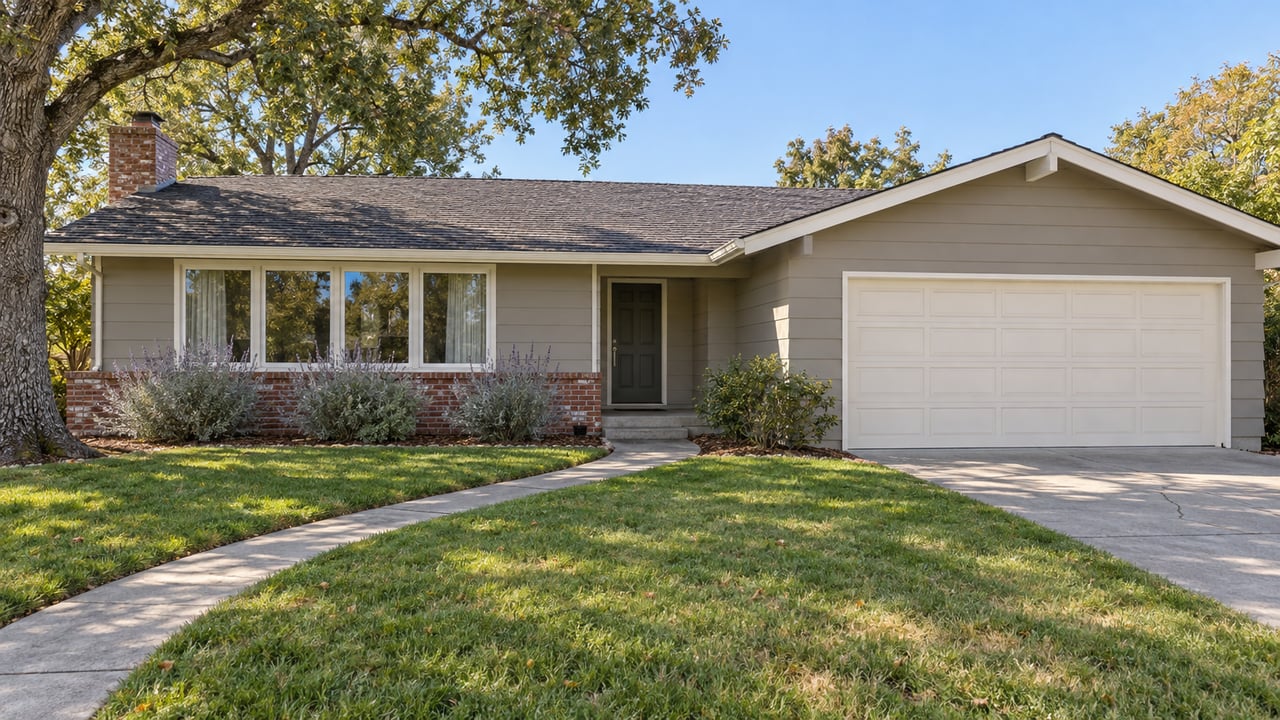
If you want an established detached-home setting with practical access to work and everyday amenities, Southern San Ramon is a strong area to compare. It often appeals to buyers who want a more settled residential feel without moving too far east.
Twin Creeks
Twin Creeks offers a more mixed housing profile than Southern San Ramon. According to the city’s General Plan, the area has about 3,200 dwelling units, with 77 percent detached single-family homes and 23 percent made up of townhouses, condominiums, and apartments.
That mix gives you more flexibility if you are still deciding between space, price point, and maintenance level. The area also includes neighborhood parks and local-serving commercial space tied to Bollinger Crossing, Homestead Village, and nearby retail.
For many relocating professionals, Twin Creeks can feel like a middle-ground option. It is central enough to keep the commute manageable while offering more housing variety than areas dominated by detached homes.
Dougherty Hills
Dougherty Hills includes about 4,915 homes and a wide range of housing types. The subarea includes Canyon Lakes, along with larger quarter-acre homes in areas such as Royal Ridge, Deer Ridge, and West Branch, plus luxury condominiums including Sienna Hills, Copper Ridge, and East Ridge.
This area is essentially built out, so you are generally comparing existing neighborhoods rather than large new phases of development. That can be useful if you want a more established suburban environment and a broader range of home sizes and lot profiles.
If your search leans toward a larger-lot feel or an upper-end suburban product while staying within San Ramon, Dougherty Hills deserves a close look. It can offer a different experience from the more commute-oriented and mixed-use pockets closer to Bishop Ranch.
Dougherty Valley
Dougherty Valley includes Gale Ranch and Windemere Ranch and represents the newer master-planned side of San Ramon. The city describes this area as residential neighborhoods organized around parks, civic facilities, schools, and natural features.
For a relocation buyer, this is often where the conversation shifts to newer construction, neighborhood amenities, and HOA structure. The tradeoff is that you should weigh those features against the longer drive back toward Bishop Ranch and central San Ramon.
If your priority is newer housing stock and a large planned residential setting, Dougherty Valley may rise to the top of your list. If commute simplicity matters more, you may want to compare it carefully against central and western pockets.
Westside and Norris Canyon Edge
Westside has a very different feel from the city’s more central areas. It includes open hillsides, residential development along San Ramon Valley Boulevard, a neighborhood shopping center at Gateway Centre, and strong connections to open space and fire trails.
The broader setting also includes large-lot homes and a significant open-space component. If you care more about privacy, views, and a quieter hillside setting than a dense, commute-oriented location, this area may stand out.
This can be a compelling option for buyers who want a more tucked-away residential experience. Just make sure the daily trip to work still fits the schedule you expect to keep.
Tassajara Valley
Tassajara Valley is the easternmost planning subarea and sits outside the city’s urban growth boundary. The General Plan describes it as largely agricultural and rural residential, including about 210 rural residential units and ranchettes on two- to five-acre parcels.
That makes it a very different product from the rest of San Ramon. It may appeal if land and a more rural setting are high priorities, but it is generally the least commute-efficient choice for someone focused on Bishop Ranch.
Use Transit and Trail Access as Real Search Filters
If transit matters to you, build that into your home search from the beginning. San Ramon’s public-transit system connects to regional options including BART and ACE, and the city specifically points riders toward service between San Ramon and the Dublin/Pleasanton and Walnut Creek BART stations.
Key express routes for Bishop Ranch commuters include:
- Route 95X between San Ramon Transit Center, Bishop Ranch, Danville Park ’n Ride, and Walnut Creek BART
- Route 96X between Walnut Creek BART, Bishop Ranch, and San Ramon Transit Center
- Route 97X between Dublin/Pleasanton BART, Bishop Ranch, and San Ramon Transit Center
- Route 92X between San Ramon Transit Center or Danville Park & Ride and Pleasanton ACE
These services are especially useful to understand if you want an alternative to driving. The catch is that some routes are weekday peak-only, so you should confirm whether that works for your real schedule and not just your ideal one.
Bike and trail access also matter more here than many relocation buyers expect. The Iron Horse Trail runs 4.24 miles through San Ramon, is flat and paved, and connects residential and commercial areas, schools, transit, regional trails, and community facilities. The Bollinger Canyon Road overcrossing, opened to the public on July 19, 2025, improves movement near the Bishop Ranch and City Center area.
Match Your Home Type to Your Work Routine
One of the most common relocation mistakes is choosing a home style first and solving the commute later. In San Ramon, it usually works better to decide what level of maintenance, density, and space fits your actual routine.
A few examples:
- If you want the shortest path to Bishop Ranch and City Center, start with Crow Canyon and nearby mixed-use corridors.
- If you want established single-family living with useful trail access, compare Southern San Ramon.
- If you want a flexible mix of detached homes, condos, and townhomes, look closely at Twin Creeks.
- If you want larger lots or a more established upper-end suburban feel, focus on Dougherty Hills.
- If you want newer master-planned neighborhoods, review Dougherty Valley with commute tradeoffs in mind.
- If you want privacy and open-space adjacency, explore Westside.
This kind of framework can keep your search grounded. It also helps you avoid spending time on listings that look good online but do not fit the way you will move through the city each week.
A Smart Remote Shortlist Strategy
If you are relocating from outside the area, your first goal is not to find the perfect house. It is to build a smart shortlist of homes and locations worth serious attention.
As you evaluate listings, ask for details that reveal the day-to-day experience, including:
- The exact route to your office or to Bishop Ranch
- The nearest San Ramon Transit Center or express-bus connection
- Nearby trail access if biking or walking matters to you
- Parking count and garage setup
- Any likely noise exposure from I-680, Crow Canyon Road, or Bollinger Canyon Road
- Whether the area feels more mixed-use, established, newer, or open-space oriented
Those details are often what separate a good relocation choice from a frustrating one. A home can check the box on square footage and still miss the mark if the daily logistics do not work.
Think Beyond the Office Address
A work move is rarely just about the office. It is also about how quickly you can settle in, how easily you can enjoy your surroundings, and whether your home still feels like a good decision six months from now.
San Ramon gives you several distinct ways to live, from closer-in mixed-use convenience to established single-family pockets, newer planned neighborhoods, and open-space settings. The best choice depends on your commute pattern, preferred home type, and how you want your weekdays to feel.
If you are planning a move to San Ramon and want calm, strategic guidance on where to focus, Rochford Real Estate can help you compare neighborhoods, narrow your shortlist, and make a confident move with less stress.
FAQs
What is the best area in San Ramon for a Bishop Ranch commute?
- For many buyers, the Crow Canyon and City Center corridor is the closest fit if commute convenience is the top priority, while Southern San Ramon and Twin Creeks can also offer manageable access depending on the exact property.
Which San Ramon areas have newer homes?
- Dougherty Valley, including Gale Ranch and Windemere Ranch, is the main newer master-planned side of San Ramon to compare if newer construction is high on your list.
Which San Ramon areas have more single-family homes?
- Southern San Ramon is primarily single-family, and Twin Creeks also has a large share of detached homes, while Dougherty Hills includes many established detached-home neighborhoods with varied lot sizes.
Is public transit useful for San Ramon work commuters?
- It can be, especially if you are near the San Ramon Transit Center or relevant express-bus stops, but you should confirm schedules carefully because some service is focused on weekday peak commute times.
Does San Ramon offer bike access for commuters?
- Yes. The Iron Horse Trail runs through San Ramon and connects residential areas, commercial areas, public transportation, and community facilities, which can make bike and pedestrian travel more practical in some parts of the city.
What should you check when relocating to San Ramon remotely?
- Focus on the exact commute route, nearby transit and trail access, parking, housing type, and possible noise exposure from major roads like I-680, Crow Canyon Road, and Bollinger Canyon Road before narrowing your shortlist.