If you are searching for a home in Orinda, you already know that one neighborhood name does not tell the whole story. In this hillside city, your day-to-day experience can change quickly based on lot shape, road layout, commute access, and how close you are to Orinda’s main convenience hubs. The good news is that once you understand how Orinda is laid out, it becomes much easier to narrow your search with confidence. Let’s dive in.
Why Orinda Feels So Different Block to Block
Orinda is a 12.8-square-mile semi-rural city in southwest Contra Costa County, known for wooded hillsides and a residential feel. The city’s setting creates a market where neighborhood identity matters, but street-by-street differences matter just as much.
That is especially true when you compare flatter pockets to steeper hillside streets. In Orinda, slope, driveway layout, and lot usability can shape daily life as much as home style or square footage.
Another important factor is how the city is organized around Highway 24 and BART. Downtown Orinda is split into the Crossroads area south of Highway 24 and the Village area north of it, which can make errands, commuting, and everyday routines feel very different depending on where you live.
What To Compare Before You Choose
Before you focus on finishes or list price, it helps to compare the things that affect how a home lives. In Orinda, a smart neighborhood search often starts with practical questions.
Ask yourself:
- How important is quick access to Highway 24 or Orinda BART?
- Do you want flatter streets and more level lots?
- Are you comfortable with curvier roads and hillside driving?
- Would you prefer a neighborhood with more built-in recreation?
- How much do school-route traffic and daily circulation matter to you?
- Do you want to be closer to downtown conveniences like the library, community center, and park?
These questions can help you sort through Orinda’s neighborhoods more clearly. They also help you avoid choosing a home based only on photos, without fully understanding how the location will feel every day.
Sleepy Hollow: Wooded And Established
Sleepy Hollow is one of Orinda’s most established neighborhoods, with 470 homes across 600 acres just north of Highway 24. It is known for mature trees, winding roads, stone gates, and a strong sense of neighborhood identity.
The neighborhood includes Sleepy Hollow Elementary at 20 Washington Lane, and the Sleepy Hollow Swim and Tennis Club is also located within the area. That makes school access and recreation a visible part of daily life.
For many buyers, Sleepy Hollow is appealing because it delivers the classic Orinda hillside setting. If you value privacy, mature landscaping, and an established feel, this area often stands out.
At the same time, it is worth paying close attention to street layout and access. Curvier roads and hillside lots can be a great fit for some buyers, but they are best evaluated in person rather than assumed from a map.
Glorietta: Flatter Lots And Ranch-Style Appeal
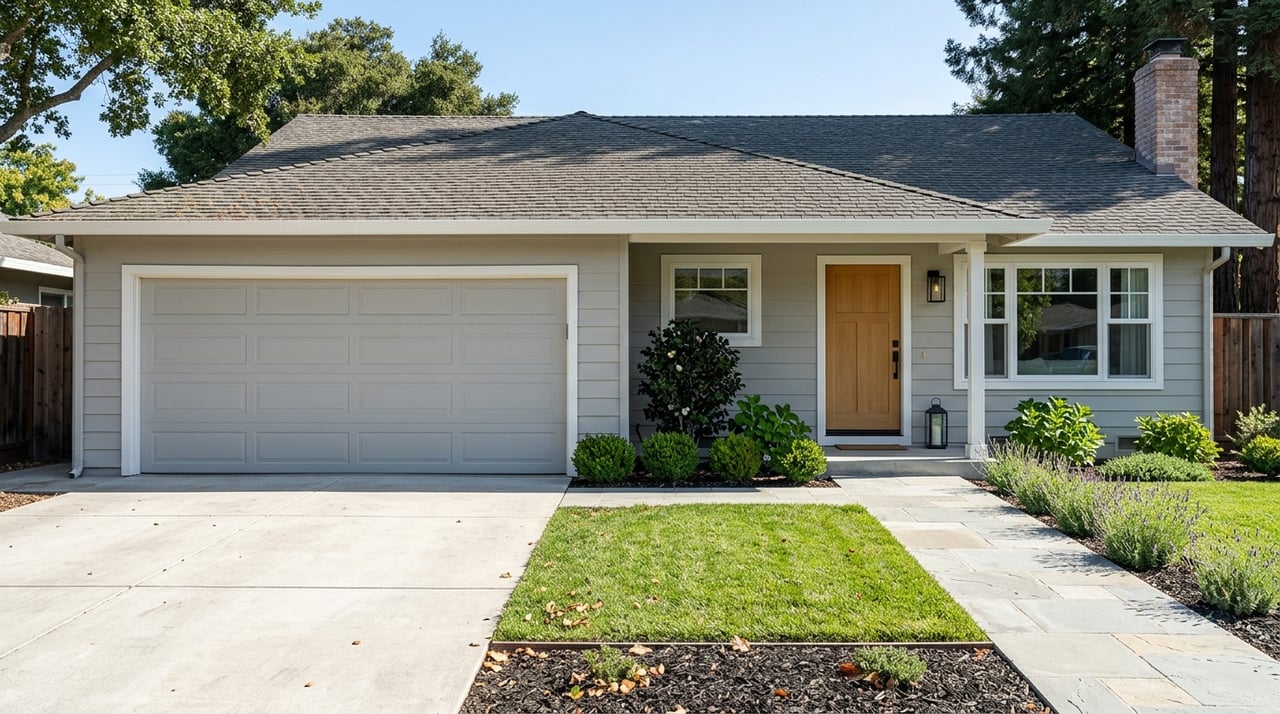
Glorietta often feels more straightforward for buyers who want easier terrain. It is known for flatter streets, level yards, and a strong concentration of classic ranch-style homes, along with some custom homes on cul-de-sacs and uphill lanes.
Glorietta Elementary is located at 15 Martha Road, and city road planning identifies Glorietta Boulevard as an arterial corridor with a pedestrian and bicycle pathway project between Rheem Boulevard and Overhill Road. Those details reinforce the neighborhood’s practical, everyday usability.
If you are looking for a home where the lot may feel more usable and the streets may feel easier to navigate on foot, Glorietta is often one of the first neighborhoods to consider. Many buyers are drawn to its familiar residential rhythm and classic Orinda character.
Even here, though, not every property will feel the same. Flat lots and easier walking routes are part of Glorietta’s appeal, but individual streets and homes can still vary in important ways.
Ivy Drive: Convenience Around Daily Routines
Ivy Drive is often associated with convenience and a more level street pattern. The area is known for flat streets, a loop-style layout, and homes that commonly include California ranch, Mid-Century Modern, and split-level suburban designs.
Orinda Intermediate School is located at 80 Ivy Drive, and part of Ivy Drive is classified by the city as a collector and school route. That means traffic flow and school-day circulation are especially important to evaluate here.
For buyers who prioritize ease and everyday function, Ivy Drive can be a strong fit. It tends to appeal to people who want straightforward access and level lots more than dramatic hillside views.
As with other Orinda neighborhoods, the details matter. A home may check the box for location, but driveway access, traffic pattern, and street position can still make a meaningful difference.
Country Club: Private Feel Near The Core
The Country Club area centers on Orinda Country Club, a private 250-acre club founded in 1924. The club includes golf, aquatics, racquet sports, fitness, pickleball, and a historic Hacienda-style clubhouse, while the surrounding area is mostly residential.
This part of Orinda is often associated with larger custom homes and a more private, estate-like setting. Lake Cascade, identified in the city’s hydrology report as part of Orinda Country Club, adds to the area’s distinct identity.
One of the interesting things about the Country Club area is its relationship to downtown. It can feel tucked away and residential, yet it sits relatively close to the Highway 24 and BART core.
If you are drawn to custom homes, a more secluded feel, and a club-centered setting, this area may rise to the top of your list. Still, housing style and lot characteristics can vary widely, so it is important to assess each property on its own merits.
Wilder: Newer Homes And Built-In Amenities
Wilder stands apart from many other Orinda neighborhoods because it is a large planned development with a more self-contained feel. The city says Wilder covers more than 1,500 acres, with home sites clustered within 200 acres and more than 1,300 acres of open space.
The neighborhood includes five ball fields, a community park, a clubhouse, a private swim and fitness facility, an art and garden center, and a trail network. That concentration of amenities is unusual within Orinda and shapes how many buyers experience the neighborhood.
Wilder is often the clearest fit for buyers who want newer construction and larger open-plan residences. Its planned layout and built-in recreation can simplify the search for buyers who want a more turnkey neighborhood experience.
Because Wilder is so distinct, it is helpful to compare it directly against Orinda’s more traditional neighborhoods. If you are deciding between newer development and a more established street pattern, this is often where that choice becomes clear.
Commute And Errands Matter In Orinda
For many buyers, commute access is one of the biggest decision points in Orinda. Orinda BART, located at 11 Camino Pablo, sits on the Antioch to SFIA/Millbrae line and offers parking, bike racks, BikeLink lockers, and County Connection service.
Highway 24 is just as important. Access into Orinda is organized around the Highway 24 exit and the Camino Pablo and Moraga Way corridor, so travel patterns often depend on how directly your neighborhood connects to those routes.
Errands tend to center around Orinda Way and Camino Pablo. The Orinda Library at 26 Orinda Way, the Community Center at 28 Orinda Way, and nearby Community Park create one of the city’s main convenience clusters.
If you want a smoother daily routine, it helps to map your likely drive to BART, downtown services, and key destinations before you commit to a home. In Orinda, a few minutes on paper can feel very different in practice depending on the road pattern.
Trails And Open Space Add Daily Value
Orinda’s trail system is not just a bonus feature. It is part of the city’s identity.
The city highlights its Trail Town USA designation and local trail connections, including links to the Lafayette-Moraga Regional Trail and the EBMUD network. The Lafayette-Moraga Regional Trail is a 7.7-mile linear park used for both recreation and commuting to school and work.
The city also notes that the St. Stephen’s trail links Orinda to the Lafayette Reservoir, and parts of the Wilder trail system are open to the public. For buyers who want outdoor access woven into daily life, this can be a meaningful part of neighborhood choice.
Some buyers prioritize being close to downtown, while others care more about direct access to trails and open space. In Orinda, both can shape the way a neighborhood feels over time.
The Best Way To Compare Orinda Neighborhoods
The most useful way to search in Orinda is to think in layers. Start with the neighborhood that best fits your lifestyle, then narrow down to the streets and lots that support your day-to-day routine.
A simple framework can help:
- Sleepy Hollow if you want a wooded, established setting with strong neighborhood identity
- Glorietta if you want flatter lots, easier walking streets, and classic ranch character
- Ivy Drive if you want a level, school-centered area with straightforward circulation
- Country Club if you want a more private setting with larger custom homes
- Wilder if you want newer construction and built-in recreation
From there, look closely at slope, driveway design, lot shape, and proximity to schools, major roads, or downtown services. Those details are often what separate a good fit from the right fit.
Working through those tradeoffs is where local guidance matters most. If you want help comparing Orinda neighborhoods at a street-by-street level, Rochford Real Estate can help you evaluate the lifestyle, access, and property details that matter before you make your move.
FAQs
What makes Orinda neighborhoods feel so different from one another?
- Orinda’s wooded hillsides, road patterns, lot slopes, driveway layouts, and proximity to Highway 24, BART, schools, and downtown services can all change how a neighborhood feels day to day.
Which Orinda neighborhood is known for flatter lots and ranch-style homes?
- Glorietta is commonly associated with flatter lots, easier walking streets, and classic ranch-home character.
Which Orinda neighborhood is best known for newer homes and built-in amenities?
- Wilder stands out for newer construction, larger open-plan homes, extensive open space, and on-site amenities like ball fields, a clubhouse, and trail connections.
How important is BART access when choosing a home in Orinda?
- For many buyers, Orinda BART is a major decision point because it connects to the Antioch to SFIA/Millbrae line and sits near the city’s main Highway 24 access routes.
What daily convenience area should homebuyers know about in Orinda?
- The Orinda Way and Camino Pablo area is a key convenience hub, with the library, community center, community park, and Orinda BART all nearby.
Why does street-by-street analysis matter in Orinda real estate?
- Even within the same neighborhood, homes can differ significantly based on slope, lot usability, driveway access, traffic patterns, and proximity to schools or major roads.