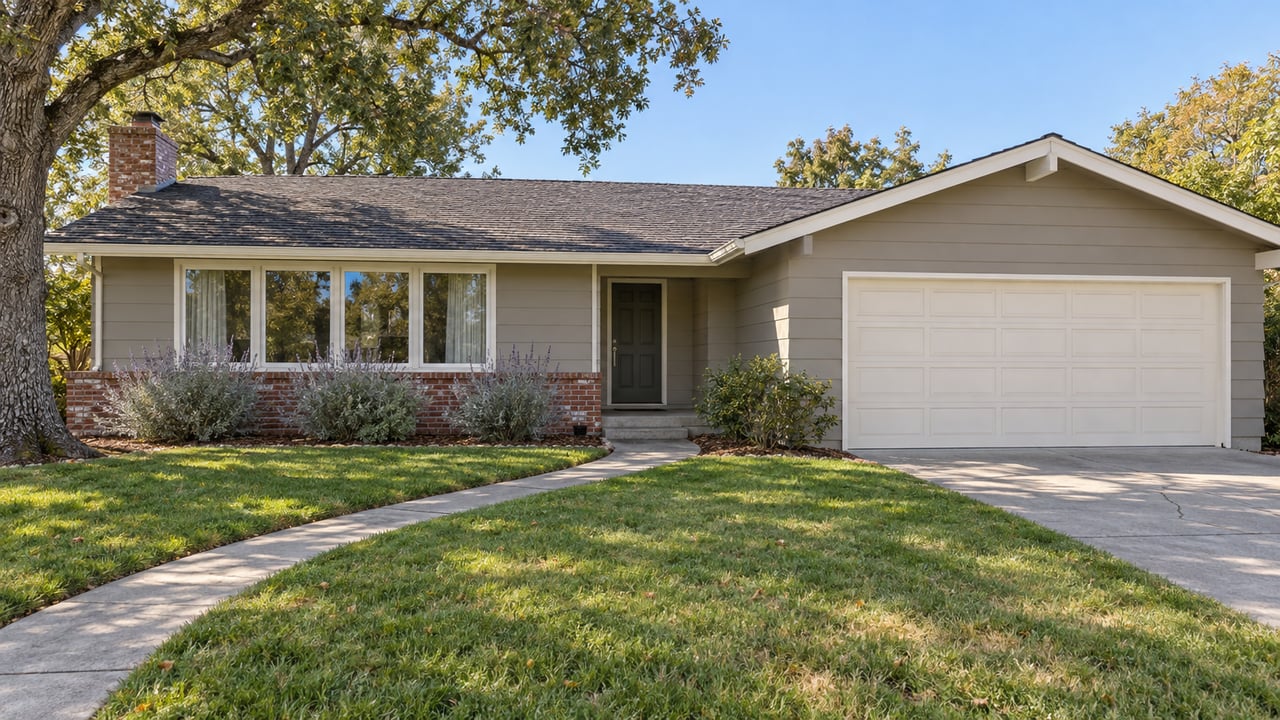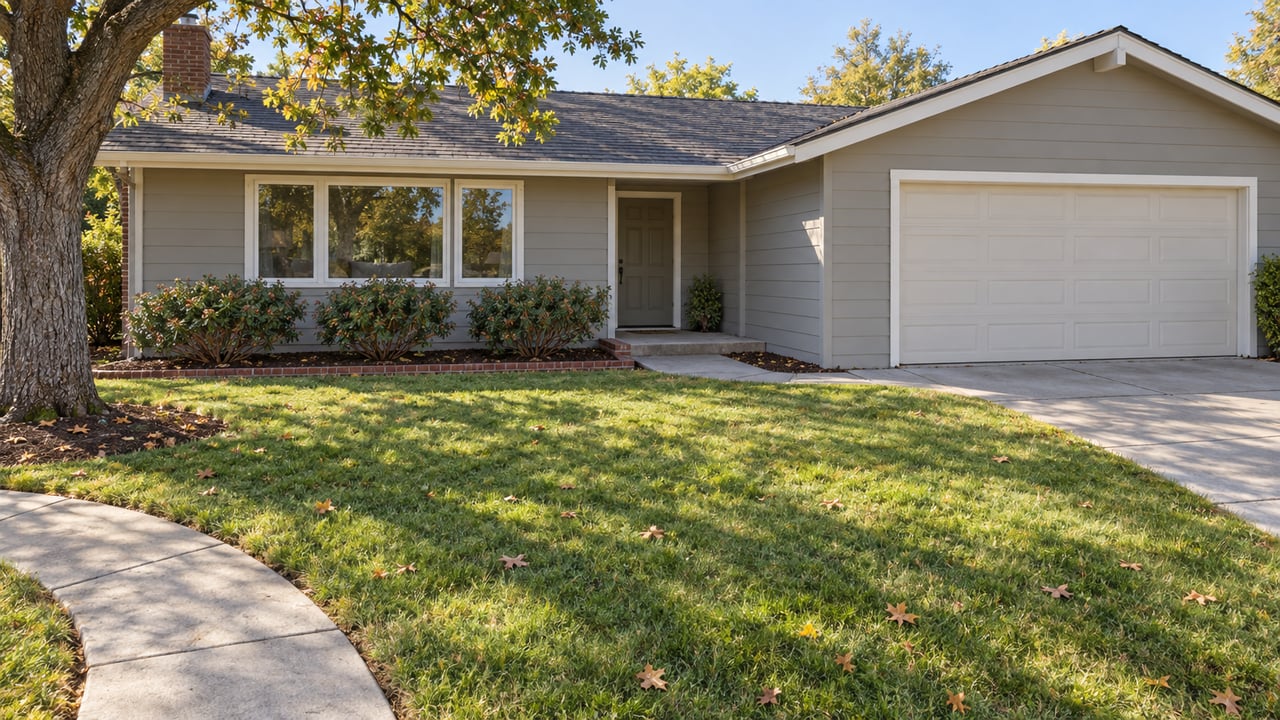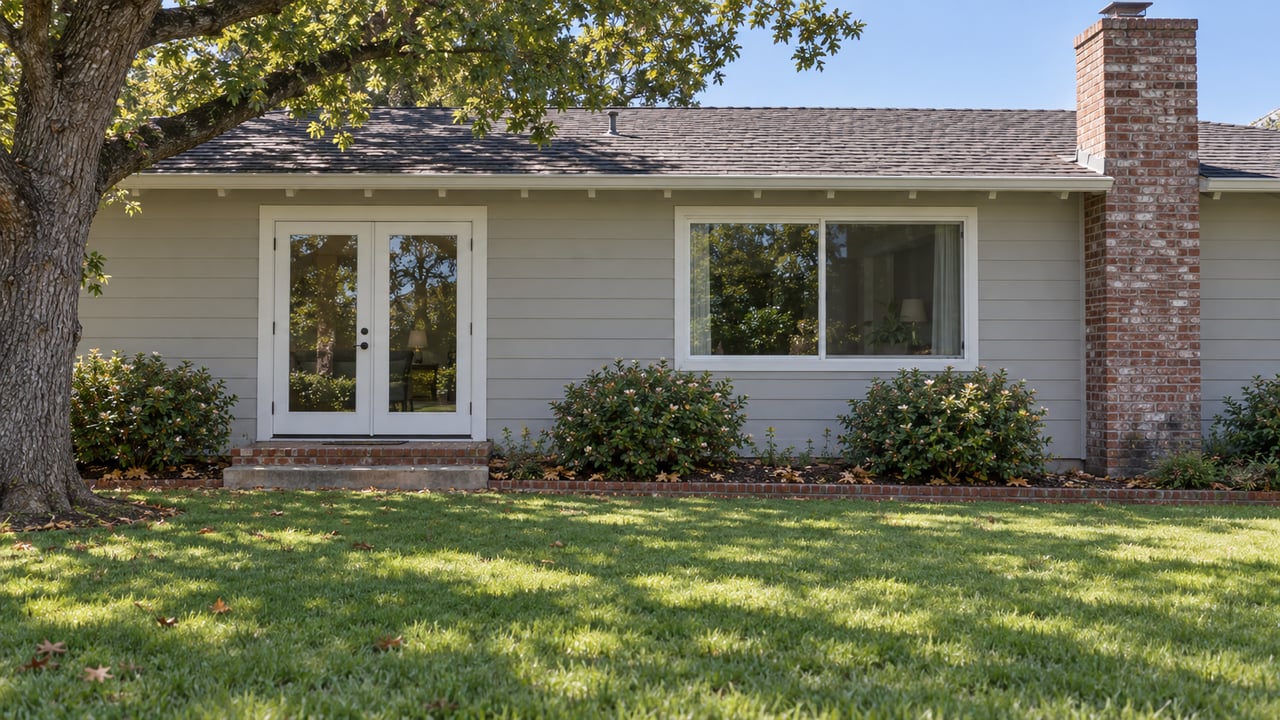
Buying a home in Berkeley comes with a lot of moving parts. One of the most important is escrow, and it can feel mysterious if you have not been through it before. You want a smooth close, clear numbers, and no last‑minute surprises. This guide breaks down how escrow works in Berkeley and the East Bay, what to expect with timelines and costs, and how to protect your funds from wire fraud. Let’s dive in.
Escrow in Berkeley: The basics
Escrow is a neutral third party that holds funds, documents, and instructions until every contract condition is met and the sale can legally close. In California, escrow is usually handled by an escrow company that often works alongside a title company. The transaction officially closes when funds are in and the deed is recorded with the Alameda County Recorder. Once recorded, escrow disburses funds and confirms closing to both sides.
Escrow exists to protect you and the seller. It keeps money and documents safe, makes sure everyone follows the same written instructions, and coordinates the legal transfer of title. You get a clear record of what was paid, when, and to whom.
Who does what in escrow
- You and the seller: You agree on price and terms, sign instructions, meet contingency deadlines, and provide required documents and funds.
- Escrow officer: This person administers the escrow file, holds deposits, orders payoffs, prepares closing statements, and coordinates signing, funding, and recording.
- Title company: It researches the property’s title, resolves defects or liens, and issues title insurance policies required by most lenders.
- Lender: If you finance, your lender underwrites the loan, sets funding conditions, and wires the loan proceeds to escrow at closing.
- Real estate agents: Your agents guide the process, manage disclosures and timelines, and help you navigate local custom on who pays which fees.
Step by step: From offer to keys
1) Open escrow and deposit
After your offer is accepted, you typically deposit earnest money into the named escrow company. Escrow opens your file, orders a title report, and requests contact information and IDs. Your deposit stays in escrow and applies to your purchase price at closing.
2) Title search and prelim report
The title company searches recorded deeds, liens, easements, and other encumbrances. If there are loans to pay off or issues to clear, escrow coordinates resolutions before closing. You will review a preliminary title report that lists what will be cleared and what will remain.
3) Disclosures and local reports
Sellers provide state‑required disclosures, including a Transfer Disclosure Statement and a Natural Hazard Disclosure. In Berkeley and Alameda County, expect earthquake fault zone and other natural hazard information, plus notices about local transfer taxes or parcel taxes when applicable. You review these within your inspection and disclosure contingency periods.
4) Contingency periods
Your purchase contract sets deadlines for inspections, loan approval, appraisal, and any HOA review if you are buying a condo. In many California transactions, inspection contingencies run about 10 to 17 days, and loan and appraisal contingencies often fall around 17 to 21 days. In competitive Berkeley situations, buyers sometimes shorten or waive contingencies, which raises risk. Keep your timelines realistic so you can complete due diligence.
5) Inspections and negotiations
You order inspections such as general home, pest, sewer, roof, or structural as needed. If issues arise, you can request repairs or credits, or cancel if you are within a contingency. Any agreed repairs or credits are documented and handled through escrow.
6) Loan underwriting and loan docs
Your lender finishes underwriting, clears conditions, and prepares loan documents. By federal rules, you must receive a Closing Disclosure at least 3 business days before you sign. Make sure lender conditions and any required repairs are complete well before that timeline.
7) Final funds and settlement
Escrow prepares your final settlement statement, including payoffs, prorated taxes and dues, and escrow and title fees. Your lender wires its funds, and you send your remaining balance via wire or certified funds as instructed by escrow. Always verify wiring instructions by phone using a known number to prevent fraud.
8) Recording and close of escrow
Once funds are in, escrow submits documents for recording with the Alameda County Recorder. The date of recording is often the official Close of Escrow. After recording, escrow releases funds to the seller and others and confirms that the transfer is complete.
9) Possession and keys
Possession is set by your contract. Many Berkeley transactions give possession at Close of Escrow, unless you negotiate a rent‑back for the seller. Your agent will coordinate keys and final paperwork.
Timelines to expect in the East Bay
- All‑cash purchases: Often 3 to 10 business days, if title is clear and disclosures are straightforward.
- Financed purchases: Commonly 30 to 45 days to allow for appraisal, underwriting, and lender processing.
- Contingency targets: Many buyers use 10 to 17 days for inspections and 17 to 21 days for loan and appraisal. These windows are negotiable and should match your lender’s speed and your due‑diligence plan.
High‑demand Berkeley listings may favor shorter escrows or cash. If you consider shorter contingencies, understand the added risk and make sure you can perform on time.
What to budget for at closing
Your final number is the purchase price minus deposits, plus your share of closing costs, prorations, and prepaid items like insurance or interest. Escrow will provide written estimates and a final settlement statement before you sign.
Common cost categories include:
- Escrow administration fees
- Title insurance: Lender’s policy is required for financed deals; an owner’s policy is optional but recommended
- County and city transfer taxes and recording fees
- HOA transfer or estoppel fees if you buy a condo
- Prorated property taxes and any special assessments
Who pays what can be negotiable in Alameda County. Local custom and your purchase contract determine the final split. Ask your agent and escrow officer to outline the expected allocation early and get fee quotes in writing.
Local Berkeley nuances to note
- Natural hazards and earthquakes: Parts of the East Bay sit near significant faults. Expect thorough Natural Hazard Disclosures and consider targeted inspections when a report indicates risk.
- Transfer taxes and assessments: Cities may impose municipal transfer taxes or special assessments. Confirm current rules and who pays which items with your escrow officer.
- HOA document timing: If you purchase a condo, allow time for HOA documents such as CC&Rs, reserve studies, and meeting minutes. Delays in receiving these can push closing unless you plan ahead.
- Tenant‑occupied properties: Berkeley’s rent‑control and tenant‑protection rules can affect possession timing and seller obligations. If a property has tenants, build in time to address required notices and confirm your options.
Risks and how to mitigate them
- Wire fraud: Criminals try to divert closing funds by spoofing email. Verify wiring instructions by calling your escrow officer using a trusted phone number. Never rely only on emailed instructions.
- Financing delays: Get a strong preapproval, submit documents early, and keep contingency dates realistic. Have a backup plan if underwriting takes longer than expected.
- Appraisal shortfall: If the appraisal is low, your lender may reduce the loan amount. Plan for appraisal‑gap coverage, prepare comparable sales, or be ready to renegotiate.
- Title issues: Liens and ownership questions can slow closing. The title search will flag problems, and prompt payoff statements help escrow clear them quickly.
- HOA document lag: Order the HOA packet as soon as you open escrow. Review promptly to keep your timeline on track.
- Property surprises: Complete inspections early, leave time to get repair bids, and document any credits or repairs through escrow.
Quick buyer checklist
- Provide valid ID, proof of funds, and your lender’s contact information to escrow.
- Schedule inspections quickly and track your contingency dates on a calendar.
- Review disclosures and the preliminary title report right away and ask questions early.
- Confirm homeowners insurance and provide your binder to the lender.
- Watch for your Closing Disclosure and plan for the required 3 business day review period.
- Confirm wiring instructions by phone before sending any funds.
Sample closing scenarios
- Financed buyer with a standard timeline: Day 0 offer accepted and deposit sent. Days 1 to 17 inspections and disclosures reviewed, repair requests made if any. Days 17 to 30 appraisal arrives and lender clears conditions. Closing Disclosure goes out at least 3 business days before signing, and recording occurs around days 30 to 45.
- All‑cash buyer on a fast track: Deposit funds and open escrow on acceptance. Title search and disclosures reviewed immediately. If everything is clean and you complete inspections within a short contingency window, you can close in 3 to 10 business days.
Ready to move forward
Escrow is designed to protect you and to make the closing predictable. When you understand each step, you can set better timelines, control risk, and get to the finish line with confidence. If you want calm, experienced guidance through a Berkeley purchase, connect with the team at Rochford Real Estate to talk through your goals and next steps.
FAQs
Who chooses the escrow company in Berkeley?
- The buyer or seller may name an escrow company in the contract, or both parties agree on one; escrow must remain neutral.
How long does escrow take for financed homes?
- Many East Bay financed escrows run about 30 to 45 days, depending on appraisal and lender underwriting.
What happens to my deposit if I cancel?
- If you cancel within a valid contingency period under the contract, you typically receive your earnest money back; canceling after removing contingencies can put your deposit at risk.
When do I get my Closing Disclosure?
- By federal rules, you must receive it at least 3 business days before signing, which gives you time to review final numbers.
How are property taxes handled at closing?
- Escrow prorates property taxes and special assessments based on the closing date so each side pays its share.
How do I avoid escrow wire fraud?
- Call your escrow officer using a verified phone number to confirm instructions before you wire any funds, and never approve changes received only by email.