Looking for Bay Area access without giving up a more relaxed, small-town feel? Alameda offers a distinctive mix of shoreline recreation, historic commercial streets, older housing stock, and commute options that set it apart from many nearby East Bay communities. If you are considering a move, this guide will help you understand how Alameda lifestyle, housing, and commuting fit together so you can decide whether island living matches your priorities. Let’s dive in.
Why Alameda Feels Different
Alameda is quite literally an island community. The city says the Tidal Canal made Alameda an island in 1902, and today it is connected to the mainland by four bridges, two underwater tubes, and three ferry terminals. That geography shapes daily life in ways you can feel, from the waterfront setting to the city’s more contained, neighborhood-oriented layout.
The city’s general plan describes Alameda as a place with a small-town feeling and a deliberate de-emphasis on auto-oriented development. That helps explain why many buyers notice a different pace here compared with more car-centered suburban areas. You are still close to major job centers, but the local experience can feel more grounded and community-focused.
Alameda is also relatively compact. Census estimates place the city at 78,795 residents across 10.45 square miles, with a population density of 7,491.6 people per square mile. In practical terms, that means you get an urban-meets-neighborhood environment rather than a spread-out suburban pattern.
Alameda Lifestyle at a Glance
For many buyers, Alameda’s appeal starts with how easy it is to build everyday routines around local amenities. Historic shopping streets, waterfront open space, and bike and walking routes all play a major role in how residents spend their time. If your ideal week includes coffee runs, shoreline walks, and errands without a long drive, Alameda checks many of those boxes.
Walkable Commercial Corridors
Park Street and Webster Street are Alameda’s main historic commercial corridors. The city also identifies South Shore Shopping Center and Alameda Landing as major retail centers, giving you a mix of older main-street environments and larger shopping hubs. This variety is part of what makes Alameda practical as well as charming.
Park and Webster Streets tend to feel more pedestrian-oriented than a typical suburban retail strip. The city’s Commercial Streets Program expanded outdoor dining, retail, and services there, and the Civic Center garage is within a 10-minute walk of nearly all Park Street businesses. If you value places where you can park once and accomplish several errands on foot, these areas are worth exploring.
Parks, Beach, and Open Space
Outdoor access is a major part of island living in Alameda. Robert W. Crown Memorial State Beach includes 2.5 miles of beach, along with the Elsie Roemer Bird Sanctuary and Crab Cove. That gives residents a shoreline amenity that is unusual for an East Bay city this close to Oakland and San Francisco.
Beyond the beach, Alameda offers a broad park system. The city says it maintains more than 400 acres of parks and recreational facilities, with notable destinations including Jean Sweeney Open Space Park, Estuary Park, and Seaplane Lagoon Promenade. For buyers who want outdoor space woven into daily life, this is one of Alameda’s strongest lifestyle advantages.
Walking and Biking Options
Alameda also stands out for lower-stress routes for walking and biking. The Cross Alameda Trail is a four-mile corridor that runs from Seaplane Lagoon to the Fruitvale Bridge. The city’s Neighborhood Greenways plan also calls for 10 miles of low-stress greenways by 2030.
That infrastructure matters if you want alternatives to driving for shorter trips. It also supports the broader character of the city, where transportation and public space are designed to feel a bit more human-scaled.
What Housing Looks Like in Alameda
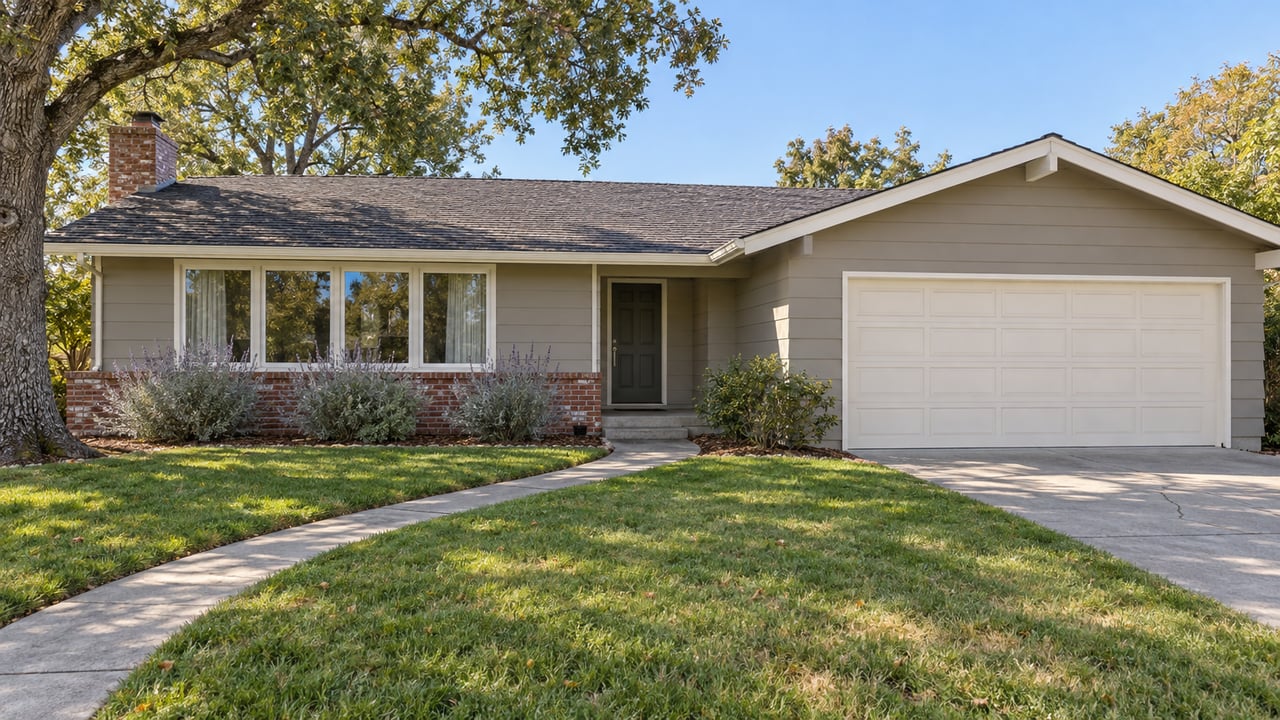
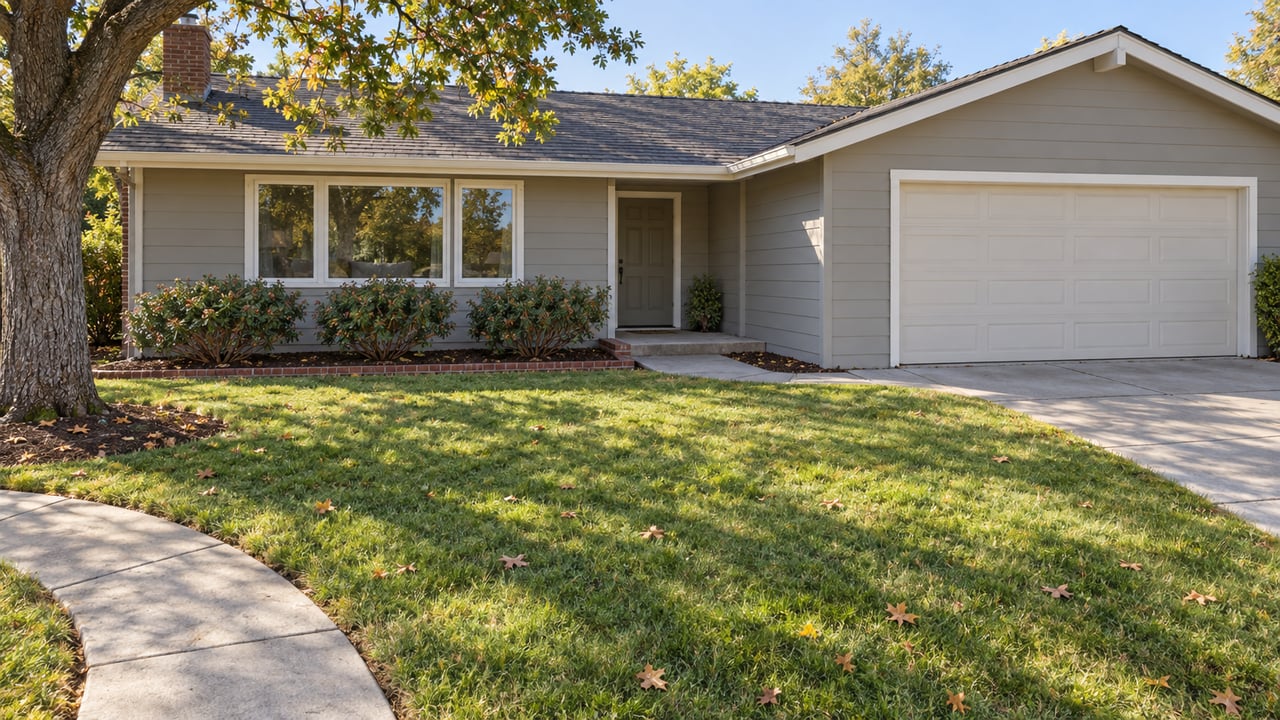
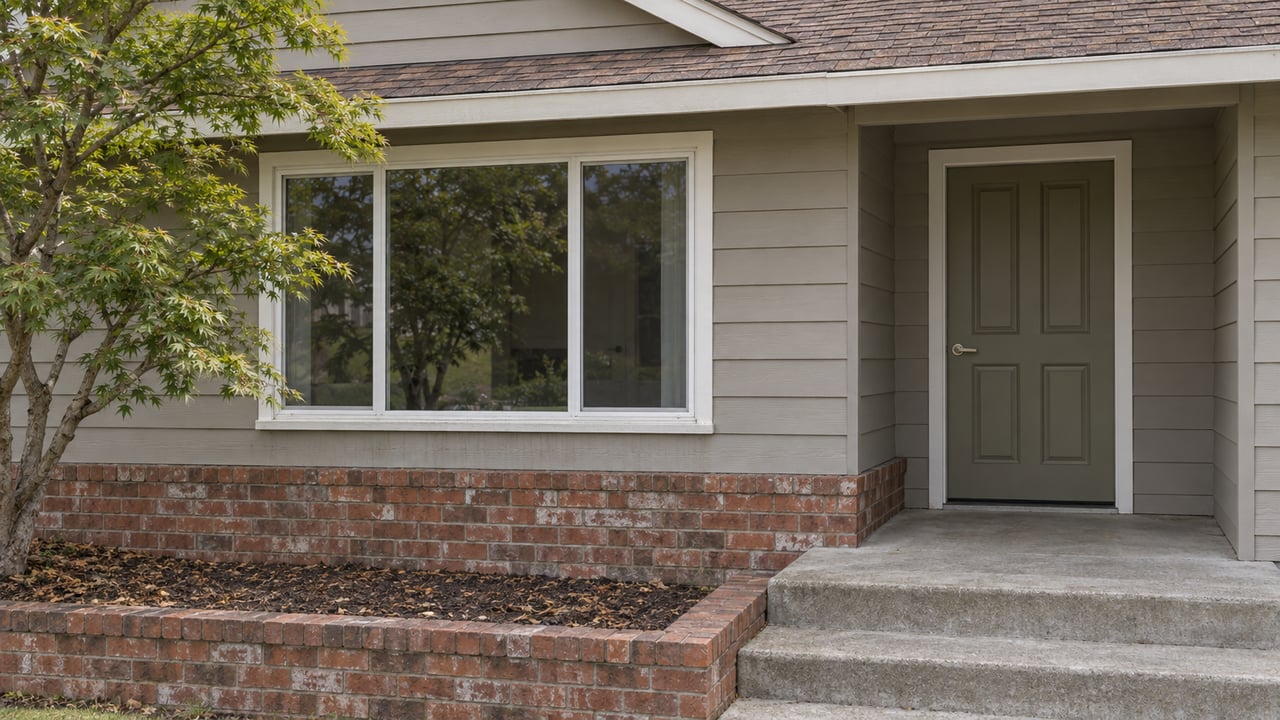
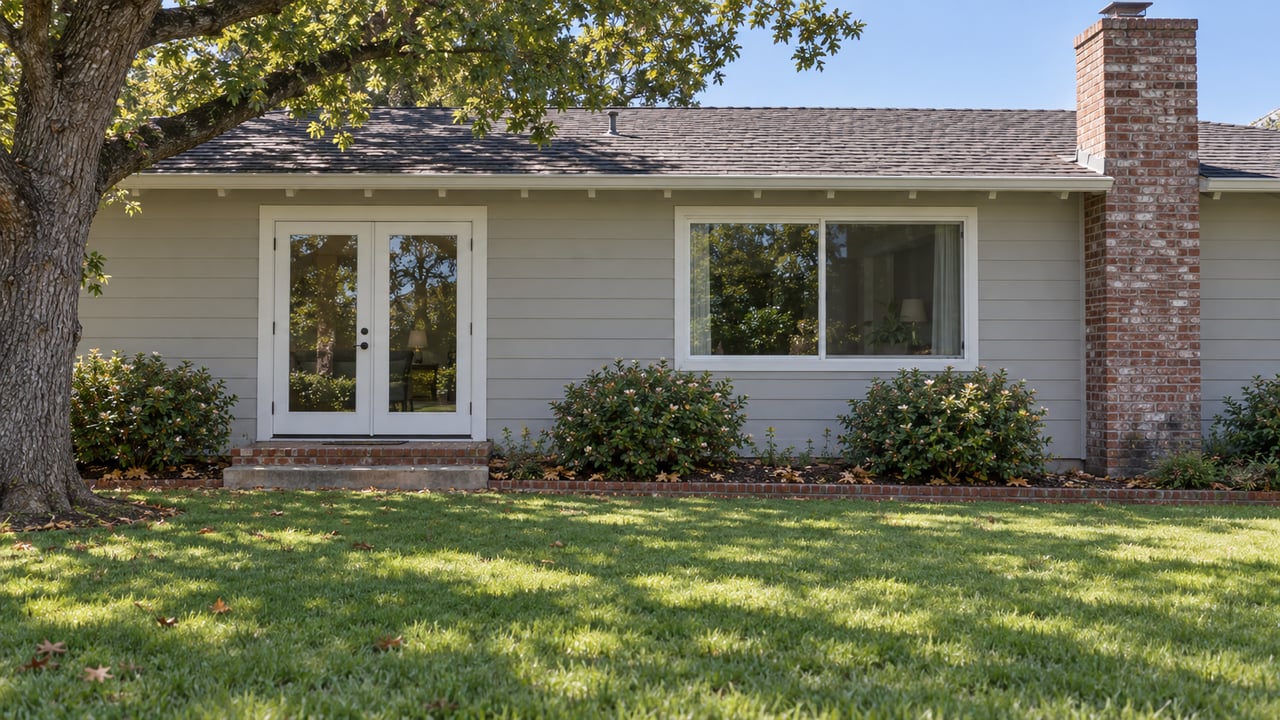
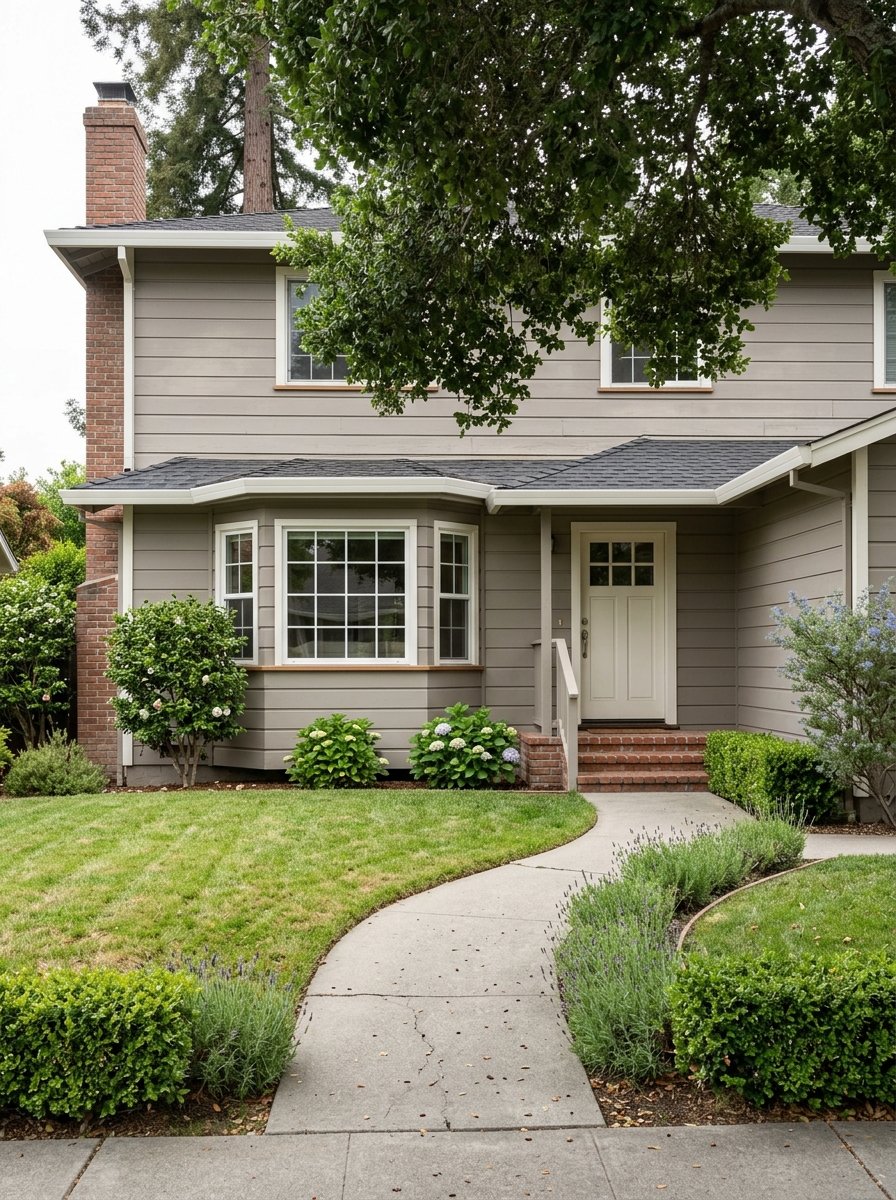
Alameda’s housing stock feels different from newer master-planned communities and different from many hillside East Bay neighborhoods. The city’s housing story is shaped by older low-rise homes, long-established neighborhoods, and selective newer redevelopment near the waterfront and transit corridors. If you want housing with character, that is often a major draw.
Older, Compact Housing Stock
According to the city’s housing element, Alameda had 32,346 housing units in 2019. Two-bedroom homes made up the largest share at 35.6%, followed by three-bedroom homes at 26.7%. The same report shows a nearly even tenure split, with about 48% owner-occupied units and 52% renter-occupied units.
This mix can appeal to several types of buyers. You may find options that work for first-time buyers, move-up households, downsizers, or investors, depending on the specific part of the island and the type of property you want.
Historic Character Is a Real Factor
One of Alameda’s most defining housing features is its age. The city says it has more than 10,000 buildings constructed before 1930, and buildings built before 1942 are treated as historical resources under local code and the State Historical Building Code. That gives many homes and streets a sense of architectural continuity that is hard to replicate.
It also means you should go in with clear expectations. Renovation, remodeling, and demolition can require more review than they would in a newer city. If you are buying an older property, understanding those rules early can help you plan more confidently.
Newer Housing at Alameda Point
If you prefer newer mixed-use development, Alameda Point is the area to watch. The city says the Main Street Neighborhood Plan is intended to create a transit-oriented, mixed-use, mixed-income neighborhood with diverse housing options, parks and open spaces, neighborhood-serving businesses, and transitional commercial uses.
That makes Alameda Point important for buyers who want a more contemporary housing option while staying within Alameda. It also adds another layer to the city’s housing mix, which is not limited to historic homes and older neighborhoods.
Cost and Market Expectations
Alameda sits in a higher-cost Bay Area housing segment. Census estimates show a median owner-occupied home value of $1,203,900, a median gross rent of $2,394, and a median household income of $132,015. Those figures help frame the local market for both buyers and property owners.
For buyers, that means it is important to balance lifestyle goals with budget realities. For sellers and owners, it reinforces why pricing strategy, presentation, and market positioning matter. In a market where older housing, location differences, and commute access can all affect value, local guidance is especially useful.
Commuting From Alameda
Alameda’s commute story is one of its biggest differentiators. You do not have BART on the island itself, but you do have a mix of ferries, buses, roads, nearby Oakland BART stations, and even a water shuttle. For many residents, that variety is part of the appeal.
Ferry Access Is a Standout Feature
The city says Alameda has three ferry terminals, and ferry service is a core commute option. Direct service to San Francisco takes about 20 minutes, with service available from Main Street and Harbor Bay, and Main Street also connects to Jack London Square in Oakland. If you like the idea of a water commute instead of a freeway-heavy routine, Alameda offers something genuinely distinctive.
For some buyers, ferry access is not just convenient. It is part of the lifestyle equation. The chance to live in a lower-rise island setting and still reach San Francisco directly can be a compelling combination.
BART Connections Still Matter
While there is no BART station on the island, nearby Oakland stations help extend regional access. The city notes that AC Transit connections link Alameda to those stations. Line 78 connects Seaplane Lagoon to Fruitvale BART, and Line 19 connects Alameda with 12th Street/Oakland City Center BART.
That setup works well for people who want rail access without living directly next to a station. It does, however, make commute planning more layered than in cities with rail stops inside the community.
Water Shuttle and Local Flexibility
Another unique option is the free Oakland-Alameda Water Shuttle between Alameda Landing and Jack London Square. The city says it runs Tuesday through Sunday for 12 to 15 hours per day. For some residents, that adds another practical connection point for work, dining, and errands.
Census QuickFacts reports a mean travel time to work of 31.6 minutes for 2020 through 2024. That number supports the idea that Alameda functions as a commute-oriented city with multiple transportation modes rather than a one-system commute market.
Who Alameda Often Appeals To
Alameda tends to be a strong fit if you want a specific combination of lifestyle and access. The city’s island setting, beach and park amenities, and historic commercial corridors can be especially appealing if you value place-making and day-to-day walkability. It is also a practical option if you want to stay close to Oakland and within reach of San Francisco.
Buyers who often look closely at Alameda include:
- Commuters who value ferry access to San Francisco
- Buyers who want walkable historic commercial areas nearby
- Households looking for parks, shoreline access, and neighborhood amenities
- Downsizers who prefer a lower-rise setting with urban access
- Buyers choosing between older character homes and newer mixed-use development areas
The best fit often comes down to tradeoffs. If you want a newer home with fewer historical review considerations, Alameda Point may stand out. If you want classic architecture and established streets, older parts of the island may feel more compelling.
Key Questions to Ask Before You Move
Before buying in Alameda, it helps to focus on a few practical questions. Your answers can clarify which area and property type make the most sense.
Consider asking yourself:
- Do you want ferry access to San Francisco to be part of your daily or weekly routine?
- Would you prefer an older home with character, or newer housing in a redevelopment area?
- How important are beach access, parks, and walking or biking routes to your lifestyle?
- Do you want to be near Park Street, Webster Street, South Shore, or Alameda Landing for errands and dining?
- If buying an older home, are you prepared for possible added review for remodeling or improvements?
These are not small details. In Alameda, they shape how the city feels once you are actually living there.
If you are comparing Alameda with other East Bay communities, a clear understanding of lifestyle, housing stock, and commute patterns can help you make a smarter decision. The right move is usually not about finding the most popular city. It is about finding the city that fits how you want to live.
For personalized guidance on buying, selling, leasing, or property management in the East Bay, connect with Rochford Real Estate. Their boutique, relationship-driven approach can help you evaluate Alameda with clarity and confidence.
FAQs
Is Alameda really an island in the East Bay?
- Yes. The city says Alameda became an island in 1902 when the Tidal Canal was completed.
How do people commute from Alameda to San Francisco?
- Ferry service is one of Alameda’s most distinctive commute options, with the city citing direct San Francisco service from its ferry terminals in about 20 minutes.
What shopping areas are most established in Alameda?
- Park Street and Webster Street are the main historic commercial corridors, while South Shore Shopping Center and Alameda Landing are major retail centers.
What kinds of homes are common in Alameda?
- Alameda’s housing stock is largely older and relatively compact, with two-bedroom and three-bedroom homes making up the largest shares, plus newer mixed-use housing centered around Alameda Point.
Are older Alameda homes subject to historic review?
- Often, yes. The city says buildings built before 1942 are treated as historical resources under local code and the State Historical Building Code, which can add review for certain projects.
Does Alameda have BART on the island?
- No. Alameda does not have a BART station on the island, but it has AC Transit connections to nearby Oakland BART stations and other regional transit options.