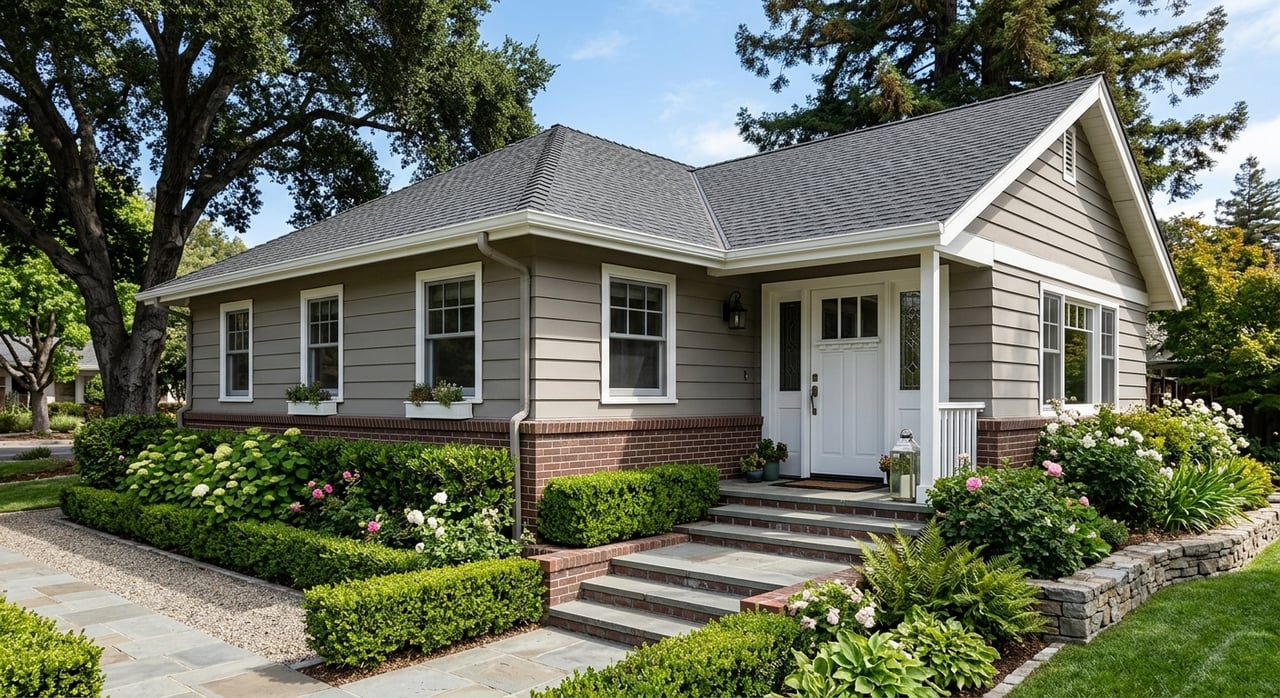
Wondering what day-to-day life in San Ramon actually feels like? If you are weighing a move, comparing East Bay cities, or trying to match your home search to your routine, it helps to look beyond price and square footage. San Ramon offers a mix of established neighborhoods, newer planned communities, extensive parks and trails, and commute options that go beyond simply getting on I-680. Let’s take a closer look.
San Ramon at a Glance
San Ramon is a San Ramon Valley community about 35 miles east of San Francisco. The city covers 18.56 square miles and is bordered by Danville, Dublin, and unincorporated areas in Alameda and Contra Costa Counties.
From a housing perspective, San Ramon tends to feel suburban, owner-occupied, and relatively modern. City data shows 69.1% owner-occupied housing, a median home value of $1,035,500, and a housing stock where 67% of homes were built in 1980 or later.
That age profile matters when you are comparing San Ramon with nearby markets. In practical terms, many buyers will find a mix of established neighborhoods and newer homes, especially when looking at the city’s eastern growth areas.
San Ramon Neighborhood Patterns
One of the easiest ways to understand San Ramon is to think of it as an older core plus newer master-planned neighborhoods. The city’s history and housing data support that pattern, with an established base that predates the city’s incorporation in 1983 and substantial later development.
For buyers, that often translates into meaningful choices. You may prefer an established setting closer to long-standing city amenities, or you may be drawn to a newer neighborhood with a more planned layout, open-space access, and newer construction.
Older Core Areas
In the older parts of San Ramon, the appeal is often familiarity and convenience. These areas connect to the city’s long-running residential foundation and can feel more rooted within the broader San Ramon Valley street pattern.
Because much of San Ramon developed over time, these neighborhoods can appeal to buyers who want an established residential setting rather than a newer master-planned environment. If your priority is to balance everyday convenience with a classic suburban feel, these areas are worth exploring in person.
Dougherty Valley
Dougherty Valley is San Ramon’s main newer-growth area. The city describes it as a master-planned community of about 11,000 units approved in 1994.
This part of San Ramon was designed as a new residential community with diverse housing opportunities, public open space, and alternative circulation modes. That planning framework gives the area a more intentionally connected feel for residents who value neighborhood trails, open space, and newer housing stock.
Gale Ranch and Windemere
If you hear buyers talk about newer San Ramon neighborhoods, Gale Ranch and Windemere usually come up quickly. The city specifically groups both within Dougherty Valley.
These neighborhoods help define the eastern side of San Ramon’s newer development story. For many buyers, they stand out for their master-planned setting and their relationship to parks, trails, and preserved open-space areas.
Parks Are a Big Part of Life Here
San Ramon’s park system is not just a nice extra. It is a major part of how many residents use the city day to day.
The city currently lists 59 parks, and city parks are open from dawn until dusk. That broad network gives you options whether your routine includes playground time, dog walks, trail access, sports fields, or casual weekend gatherings.
Central Park
Central Park is a 40.8-acre community park and one of the city’s major park anchors. For many residents, it serves as a go-to space for everyday recreation and larger community use.
Large parks like this often shape how a city feels on weekends and after work. If outdoor access is part of your home search criteria, being near a major community park can make a real difference in your weekly routine.
Memorial Park
Memorial Park is a 16.3-acre park with a dog park, sports field, playground, bocce, picnic areas, and restrooms. That mix of amenities makes it useful for a wide range of households and lifestyles.
When you are comparing neighborhoods, parks with this level of functionality can become part of your decision-making. They add convenience, flexibility, and easy options for low-key outdoor time close to home.
Athan Downs
Athan Downs is a 20-acre community park with an all-abilities playground, multiple fields and courts, and trail access. It is another good example of how San Ramon blends recreation space with broader neighborhood connectivity.
For buyers who want a city where outdoor amenities are woven into daily life, parks like Athan Downs reinforce that appeal. You are not limited to isolated green spaces. Instead, many amenities connect to a larger active-living pattern.
Forest Home Farms Historic Park
Forest Home Farms Historic Park adds a different dimension to San Ramon’s park system. The site preserves and interprets the agricultural history of the San Ramon Valley.
That gives the city a sense of continuity beyond newer development and modern amenities. If local identity matters to you, this park offers a reminder that San Ramon’s story includes both growth and valley history.
Trails and Open Space Shape Daily Living
San Ramon’s trail network is one of its strongest lifestyle features. City materials say San Ramon has more than 40 trails, and the system is intended to connect neighborhoods, parks, schools, and open space.
That kind of connectivity changes how a place functions. Instead of treating parks and open areas as separate destinations, San Ramon ties many of them into everyday movement and recreation.
Iron Horse Trail
The Iron Horse Trail runs 4.5 miles through San Ramon as part of the larger regional Iron Horse Regional Trail that stretches from Pleasanton to Concord. This makes it one of the city’s most important linear recreation and mobility assets.
For residents, that can mean a practical route for walking, biking, or fitting in outdoor time without driving to a trailhead. For buyers, it is also a useful reference point when comparing where in the city you may want to live.
Hidden Valley Ridge Trail
Hidden Valley Ridge Trail shows how closely some of San Ramon’s newer neighborhoods connect with open space. The city notes that parts of the trail are within Windemere Ranch Preserve and offer sweeping views of Dougherty Valley.
This is the kind of feature that can shape your experience of a neighborhood in a very real way. If views, hillside trails, and quick access to preserved land matter to you, certain parts of San Ramon may stand out immediately.
Open-Space Edges
The city also emphasizes open-space preservation along San Ramon’s east and west edges. That preserved land helps frame the city and supports the sense that development and natural space are closely linked.
For buyers, this can influence both feel and function. It contributes to visual relief, trail access, and a stronger connection between residential areas and the surrounding landscape.
Commute Tips for San Ramon Residents
If you are moving to San Ramon, commute planning should be part of your home search from the start. While I-680 is the main corridor, the city also offers park-and-ride and transit connections that can widen your options.
The best strategy is to think about your full weekly pattern. That includes not only where you work, but also how often you commute, whether you need flexibility, and whether BART, bus, carpool, or ACE connections could make your routine easier.
I-680 Express Lanes
The Contra Costa Express Lanes on I-680 are a key tool for many San Ramon commuters. According to 511, the lanes run southbound from Marina Vista Avenue in Martinez to Alcosta Boulevard in San Ramon, and northbound from Alcosta Boulevard in San Ramon to Livorna Road in Walnut Creek.
These lanes operate Monday through Friday from 5:00 a.m. to 8:00 p.m. Solo drivers need FasTrak, while qualifying carpools can use the lanes toll free with a correctly set FasTrak Flex tag.
If you expect to drive regularly, this is worth factoring into your routine and budget. Access to Alcosta Boulevard can also become more relevant depending on where in San Ramon you plan to live.
San Ramon Transit Center
San Ramon also supports regional commuting through transit connections. The city identifies the San Ramon Transit Center at 7051 Executive Parkway near Camino Ramon, with 54 parking spaces for carpools, vanpools, or buses.
The city says local bus service connects San Ramon to regional transit including BART and ACE. County Connection service links the city with Dublin/Pleasanton and Walnut Creek BART, giving commuters an alternative to driving the full route.
Park-and-Ride Options
The city also lists the Bollinger Canyon Road and San Ramon Valley park-and-ride lot with 100 spaces. For some households, park-and-ride access can make a specific part of town more attractive, especially if work schedules vary during the week.
San Ramon also notes carpool-to-BART parking at selected BART stations, including Dublin/Pleasanton and Walnut Creek. If you want to reduce freeway driving without giving up flexibility, that combination can be useful.
Nearby BART Access
For many residents, the nearest BART options are West Dublin/Pleasanton and Dublin/Pleasanton. These stations can be important anchors for south San Ramon commuters and for anyone trying to balance suburban living with regional access.
When you are deciding where to live, it helps to test your likely trip at the time you would actually travel. A home that looks similar on a map can feel very different depending on your route to BART, parking pattern, or transfer habits.
ACE Connection Option
San Ramon commuters also have access to another rail connection option. The city points to County Connection Route 92x from the San Ramon Transit Center and Danville Sycamore Park & Ride to the ACE station in Pleasanton.
That may not fit every schedule, but it is one more reason San Ramon is not strictly a freeway-only commute city. If you are relocating, it is smart to compare all realistic combinations before choosing your neighborhood.
How to Choose the Right Area in San Ramon
The right fit usually comes down to your personal tradeoffs. Some buyers prioritize newer homes and a master-planned setting, while others care more about commute efficiency, park access, or proximity to established parts of the city.
A helpful way to narrow your search is to rank your top lifestyle drivers before you tour homes. In San Ramon, these often include:
- Newer construction versus established neighborhood feel
- Close access to parks and trails
- Convenience to I-680
- Ease of reaching BART or park-and-ride options
- Interest in open-space views or hillside surroundings
- Desire for a more self-contained daily routine near shopping and dining destinations like City Center Bishop Ranch
Once you know your priorities, home selection becomes more focused. Instead of trying to evaluate the whole city at once, you can zero in on the parts of San Ramon that best support how you actually want to live.
San Ramon attracts buyers for practical reasons and lifestyle reasons at the same time. You get a city with modern housing in many areas, a deep bench of parks and trails, preserved open-space edges, and several ways to think about commuting across the East Bay.
If you are considering a move to San Ramon, working with a local advisor can help you sort through those tradeoffs with more confidence. The team at Rochford Real Estate offers thoughtful, full-service guidance for East Bay buyers, sellers, and property owners who want a smoother, better-informed move.
FAQs
What is San Ramon known for in everyday living?
- San Ramon is known for its suburban setting, largely owner-occupied housing, newer housing stock in many areas, extensive parks, more than 40 trails, and commute access to I-680, BART connections, and ACE links.
What are the main neighborhood types in San Ramon?
- A simple way to understand San Ramon is as an older core plus newer master-planned communities, especially in Dougherty Valley, which includes Gale Ranch and Windemere.
What parks should homebuyers know in San Ramon?
- Key reference points include Central Park, Memorial Park, Athan Downs, and Forest Home Farms Historic Park, each offering a different mix of recreation, amenities, and local character.
How many parks and trails does San Ramon have?
- The city currently lists 59 parks and says San Ramon has more than 40 trails designed to connect neighborhoods, parks, schools, and open space.
What is the best commute option from San Ramon?
- The best commute option depends on your destination and schedule, but many residents use I-680, the Contra Costa Express Lanes, County Connection bus service to BART, park-and-ride lots, or the ACE connection through Pleasanton.
Which BART stations are closest to San Ramon?
- Nearby BART access includes West Dublin/Pleasanton and Dublin/Pleasanton, and the city also notes connections to Walnut Creek BART through local transit service.