Trying to choose between Lafayette, Orinda, and Moraga can feel like splitting hairs. Each offers sunny East Bay living, strong community ties, and quick access to open space, but the day-to-day experience is different in subtle ways. In this guide, you’ll compare commute options, microclimates, walkability, outdoor access, housing styles, prices, and school context so you can pick the right Lamorinda base for your lifestyle. Let’s dive in.
How to frame your choice
If you picture your week, the decision gets clearer:
- Prefer a lively main street with a short walk to BART and restaurants. Put Lafayette high on your list.
- Want a quieter residential feel with an easy rail commute. Orinda’s village setting often fits.
- Value larger yards and a slower suburban rhythm, and you do not need a walkable downtown. Look closely at Moraga.
Commute and transit options
BART access is the biggest divider. Both Lafayette and Orinda have stations on the Yellow line, which connects through Oakland and into San Francisco. That makes rail commuting straightforward if you want predictable travel times, especially during peak-hour traffic on Highway 24. You can confirm the line and stops on the Yellow line overview page on Wikipedia. (Yellow Line)
Moraga does not have its own BART station. Most residents either drive to BART or take County Connection Route 6, which links neighborhoods and Saint Mary’s College to Lafayette and Orinda stations. That extra leg makes rail commuting possible from Moraga, but you should account for the bus or parking step in your door-to-door time. (County Connection Route 6)
Published trip planners typically show a 25 to 40 minute rail ride from Lamorinda BART stations to downtown San Francisco, depending on transfer timing. Census estimates also reflect what residents report in practice, with average travel times around the low 30 minutes across the three towns. Expect variation by neighborhood, time of day, and whether you rely on station parking.
Microclimate and topography
Lamorinda sits just east of the Berkeley Hills, so you benefit from a fog-shadow effect that brings warmer days than many Bay-side neighborhoods. Within that, small changes in elevation and slope aspect create noticeable microclimates. Hilltops can be breezier and cooler in the evening. Valleys can feel sheltered and see more overnight cooling.
- Orinda’s canyons and ridges create pockets that run warmer or cooler by time of day.
- Lafayette’s mix of low ridges and the reservoir basin often produces pleasant mid-elevation conditions.
- Moraga sits in a broad valley where night cooling can be more pronounced.
When you tour, note the elevation, whether a lot faces south or north, and how afternoon winds feel. Visit at different times of day and, if possible, in a different season before you commit.
Town centers and walkability
Lafayette offers the most built-out downtown in Lamorinda, anchored by Mt. Diablo Boulevard. You will find restaurants, cafes, boutiques, the library, and community events within a compact stretch that many residents can reach on foot or by bike. The BART station sits close to the core, which makes car-light living realistic for some households. Explore the city’s downtown overview for a feel of the offerings. (City of Lafayette)
Orinda’s village center is smaller and quieter. You still get essentials like restaurants, a library, and a community theater, plus very quick access to BART, but the scale is more residential than commercial. If you want a suburban village feel with a short rail commute, Orinda delivers that mix. (City of Orinda)
Moraga’s day-to-day rhythm is more suburban and campus-adjacent, with Saint Mary’s College as a local anchor. Retail is distributed across shopping areas rather than clustered in a dense, walkable main street. Most errands involve a short drive, with the tradeoff of calmer local traffic and a quieter pace.
Parks, trails, and open space
Access to trails and hills is a top Lamorinda draw. You can live minutes from regional parkheads and be on a ridge trail by sunrise.
- Lafayette Reservoir. Minutes from downtown, this year-round spot offers a 2.7-mile paved loop around the water plus the longer Rim Trail, along with boating and picnic areas. It is a favorite for morning jogs, stroller walks, and weekend laps. (Lafayette Reservoir)
- Briones Regional Park. A vast network of ridge lines and rolling grasslands with trailheads at Bear Creek and Reliez Valley provides long, scenic routes for hikers and mountain bikers. Views stretch over Lamorinda and beyond. (Briones Regional Park)
- Local connectors. Neighborhood paths and the Lafayette–Moraga Regional Trail create easy, lower‑grade routes for bikes and daily walks, and many local singletrack options link up into Las Trampas and other ridge systems.
A practical tip: when you evaluate a listing, note the closest trailheads and typical drive or walk times. For many buyers, that convenience matters more than total park acreage.
Homes, lots, and neighborhood feel
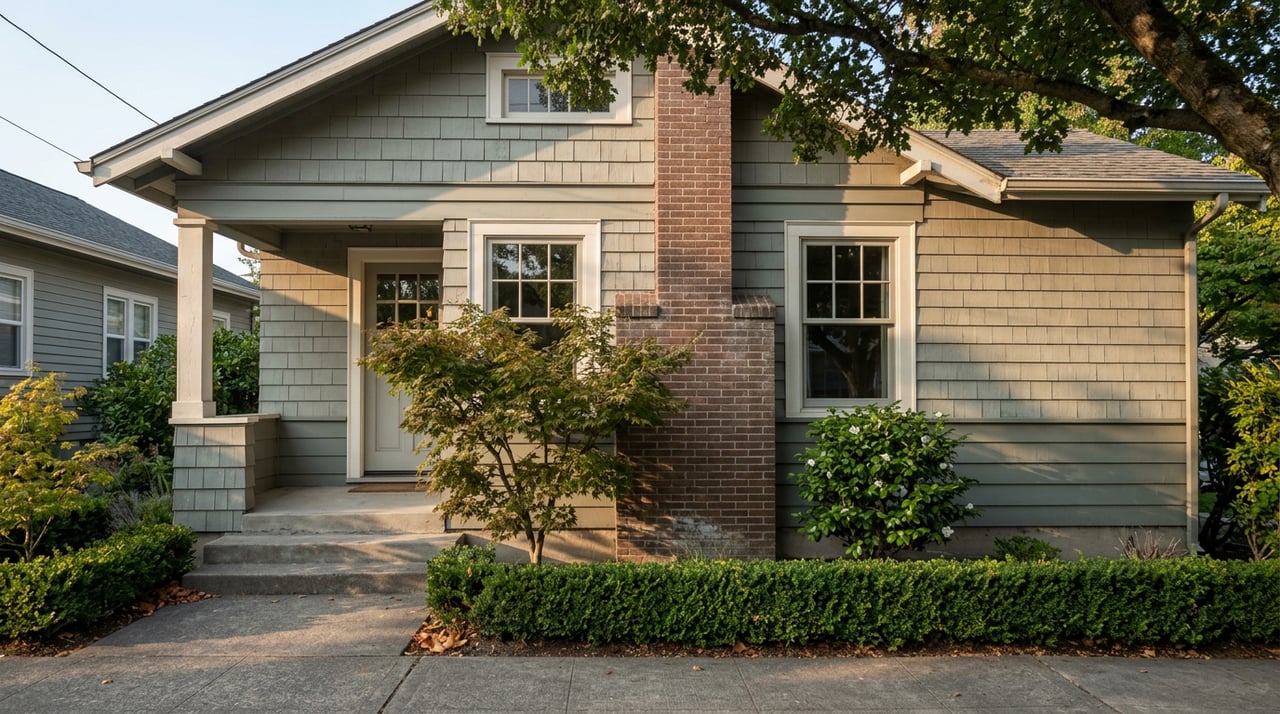
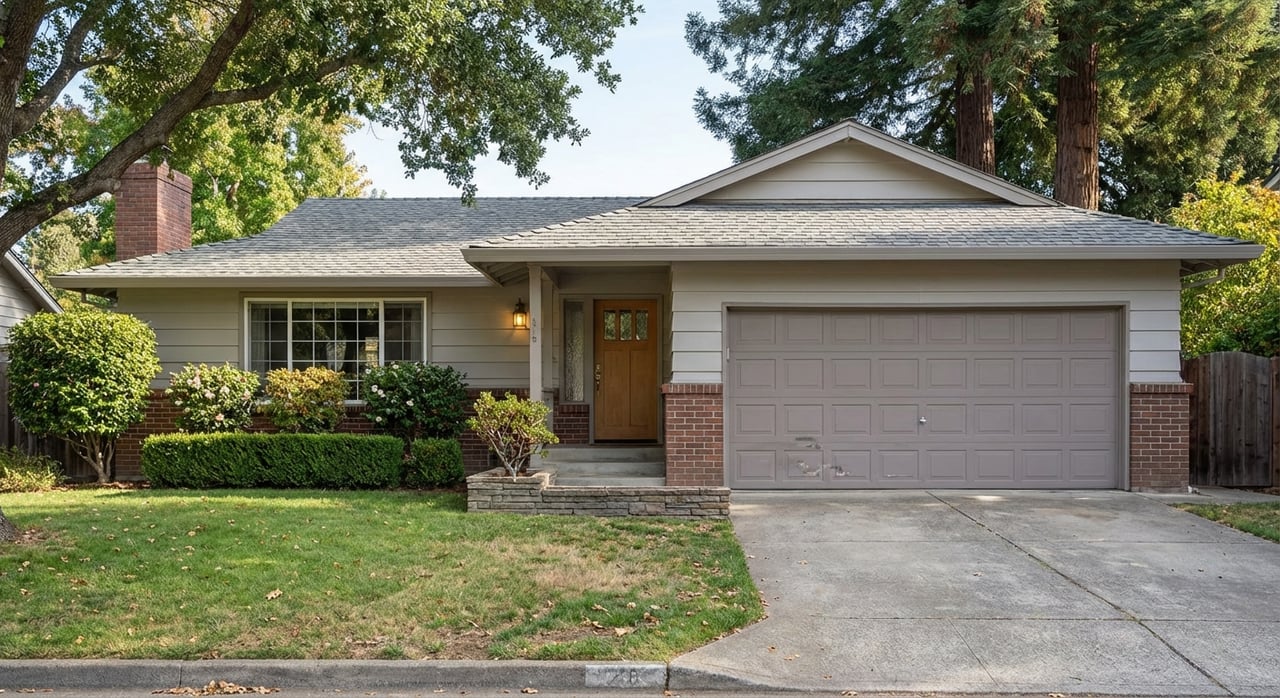
Most Lamorinda single-family homes date from the 1950s to 1970s, with many tasteful remodels, expansions, and custom rebuilds over time. Expect to see classic California ranches, mid-century plans, and newer custom homes on hillside parcels in certain parts of Lafayette and Orinda. In Moraga, you will find more tract-style neighborhoods with generous yards and practical floor plans.
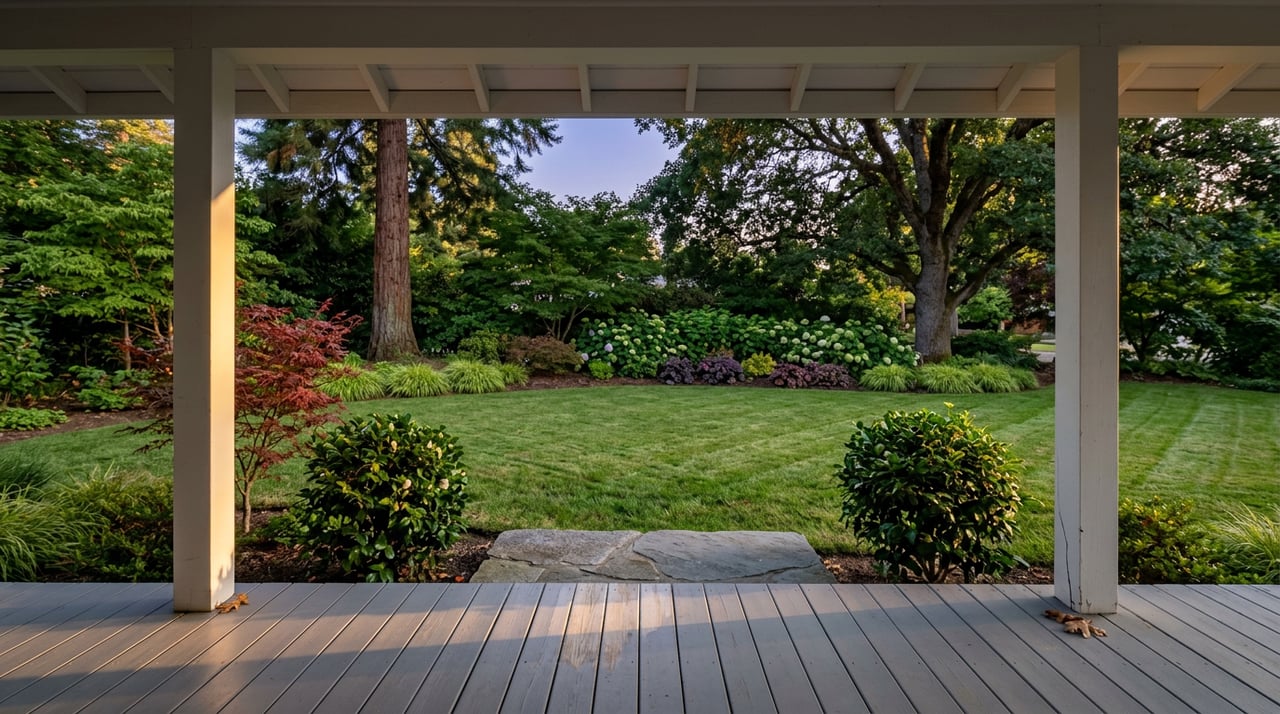
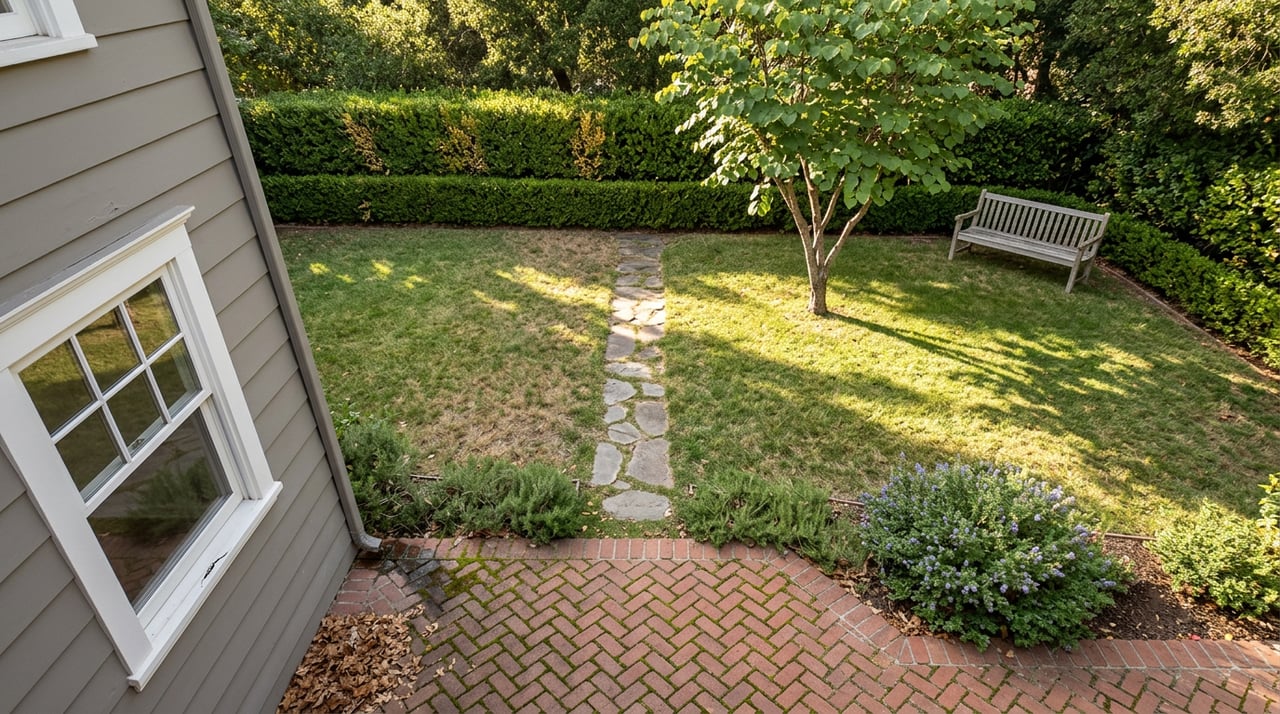
Lot sizes vary widely within each town. Orinda has hillside estates that trade privacy and views for steeper terrain. Lafayette mixes in-town lots near the retail core with larger parcels on surrounding ridges. Moraga often features larger level yards in many neighborhoods. Because there is no single median-lot-size dataset for these cities, confirm lot dimensions and yard usability on a property-by-property basis.
Prices and what to expect
Medians shift month to month in small, high-price markets, so always check current data before you write an offer. As a recent reference point, Redfin reported approximate January 2026 medians of Orinda around $1.9 million, Lafayette around $1.69 million, and Moraga around $2.0 million. The small number of monthly sales in each town can swing the median, so focus on product type and neighborhood when you compare. (Redfin Orinda market page)
As you set expectations, a helpful way to think about ranges is by product type:
- Entry single-family homes on smaller lots or older ranches often trade in the mid $1 millions to low $2 millions.
- Remodeled or larger hilltop homes commonly start in the mid $2 millions and rise into the $3 millions.
- Premium estates in Orinda and Lafayette can exceed the $3 to $4 million range, with location and lot size as key drivers.
For a high-level socioeconomic snapshot, Census QuickFacts shows very high owner occupancy and high median owner values across Lamorinda. Orinda’s owner-occupied rate is about 91 percent with a median owner value near $1.86 million in the 2020 to 2024 ACS window. Use current MLS comps for decision-making, but those baselines help frame the market.
Schools and enrollment notes
High school students in Lamorinda attend the Acalanes Union High School District, which includes Miramonte in Orinda, Campolindo in Moraga, and Acalanes in Lafayette. The district’s schools consistently rank well in statewide comparisons. You can review Miramonte’s site as a starting point. Always verify current school boundaries and enrollment policies directly with district sources before you buy. (Miramonte High School)
Quick recommendations
- Choose Lafayette if you want a lively, walkable downtown, easy BART access, and quick trips to the Lafayette Reservoir. Start your research with the city’s downtown overview. (City of Lafayette)
- Choose Orinda if you value a quieter village feel, hillside privacy, and a very short rail commute. Explore the city site to understand services and community resources. (City of Orinda)
- Choose Moraga if you prioritize yard space and a suburban rhythm and you are comfortable driving or taking a short bus ride to BART via Route 6. Check schedules and plan your first-mile connection. (County Connection Route 6)
How we help you decide
If you are weighing two or three Lamorinda neighborhoods, a clear plan beats guesswork. We help you quantify commute tradeoffs, preview homes that match your lot and layout goals, and pressure test microclimate and walkability at the property level. Then we negotiate with current comps and neighborhood insights behind every move.
If you would like tailored guidance or a pricing read on your current home, reach out to Rochford Real Estate for a complimentary market evaluation.
FAQs
Which Lamorinda towns have BART access?
- Lafayette and Orinda have BART stations on the Yellow line, while Moraga relies on County Connection buses or a short drive to reach BART.
How long is the BART ride to downtown San Francisco?
- From Lamorinda stations, published planners typically show 25 to 40 minutes, with door-to-door time depending on parking or first-mile access.
What is the microclimate like across Lafayette, Orinda, and Moraga?
- All three sit east of the Berkeley Hills, so they are generally warmer than Bay-side areas, with local differences by elevation and slope that you should test in person.
Where are the most convenient parks and trails?
- The Lafayette Reservoir offers paved and rim trails near downtown Lafayette, and Briones Regional Park provides extensive ridge hiking and biking a short drive away.
What are typical home prices right now?
- As of January 2026, Redfin reported medians of roughly $1.69M in Lafayette, $1.9M in Orinda, and $2.0M in Moraga, with month-to-month swings due to small sample sizes.
How do schools work in Lamorinda?
- High schoolers attend the Acalanes Union High School District, which includes Miramonte, Campolindo, and Acalanes; verify current boundaries and enrollment with the district.
Is Moraga a good fit if I want more yard space?
- Many Moraga neighborhoods feature larger lots and level yards compared with hillier parts of Lamorinda, though dimensions vary by subdivision and street.
Which town is most walkable day to day?
- Lafayette offers the most concentrated downtown retail and dining near BART; Orinda’s village is smaller and quieter; Moraga is more car-oriented for daily errands.