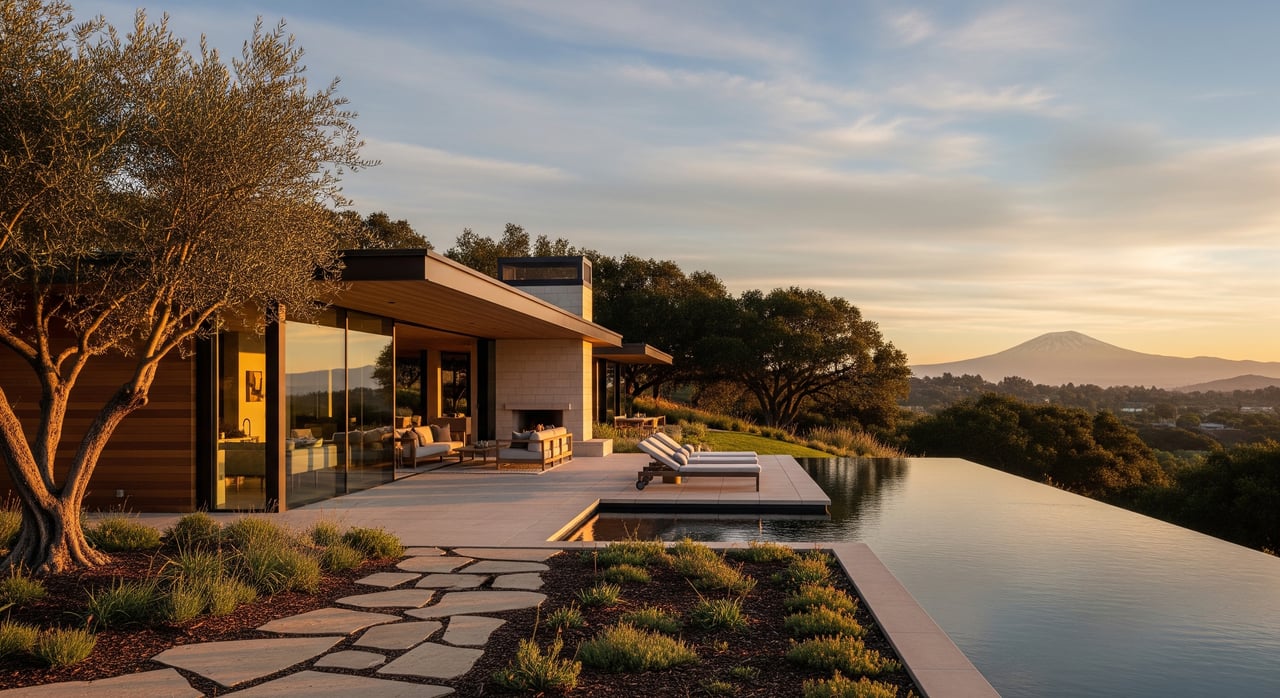
Craving more space and sunshine without giving up Bay Area access? Lafayette offers a calmer suburban rhythm with a real neighborhood feel, quick BART access, and easy ways to get outdoors. If you’re weighing a move east, you probably want a clear picture of daily life, housing, commute choices, parks, schools, and trade-offs. This guide walks you through the essentials so you can decide if Lafayette fits your goals and timeline. Let’s dive in.
Lafayette at a glance
Lafayette is a small East Bay city known for tree-lined streets, hillside and valley settings, and a friendly, low-key pace. Many residents choose it for parks, convenient BART service, and a compact, walkable downtown that makes errands simple. You’ll find a highly educated population and a strong professional base. Municipal services are provided by the City of Lafayette, with county services through Contra Costa. For local programs and services, start with the official City of Lafayette site.
Neighborhoods and homes
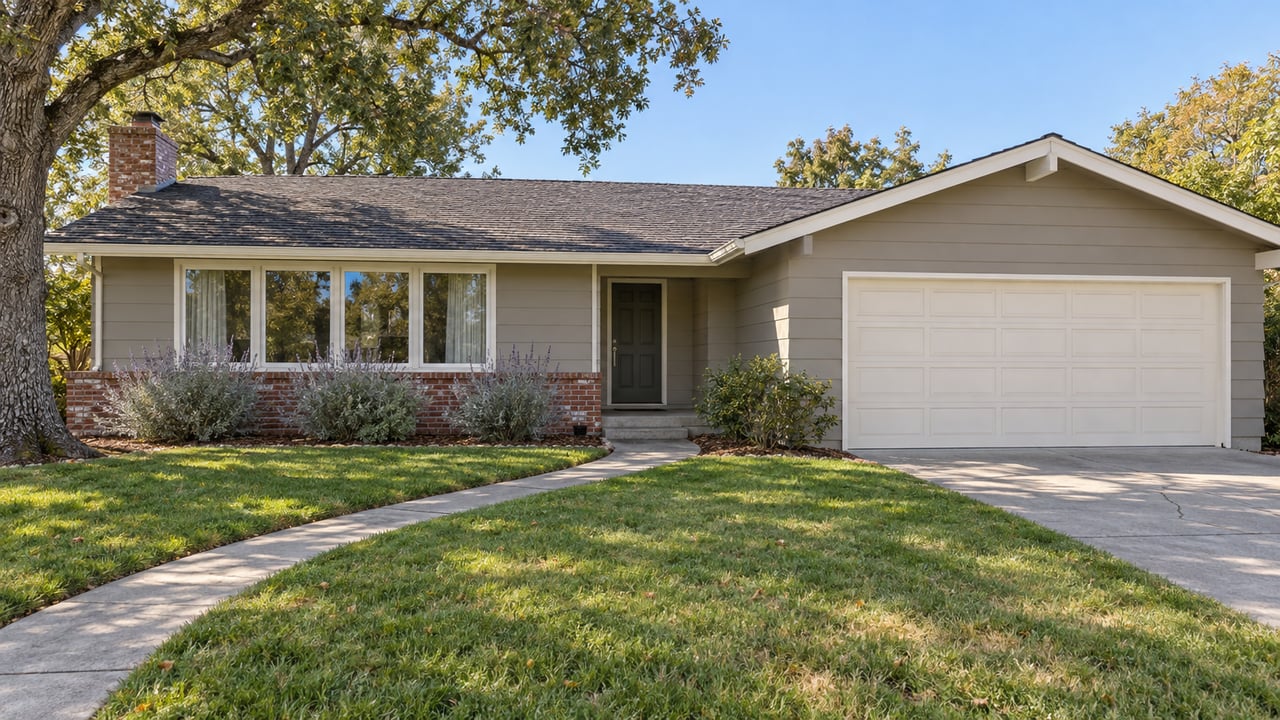
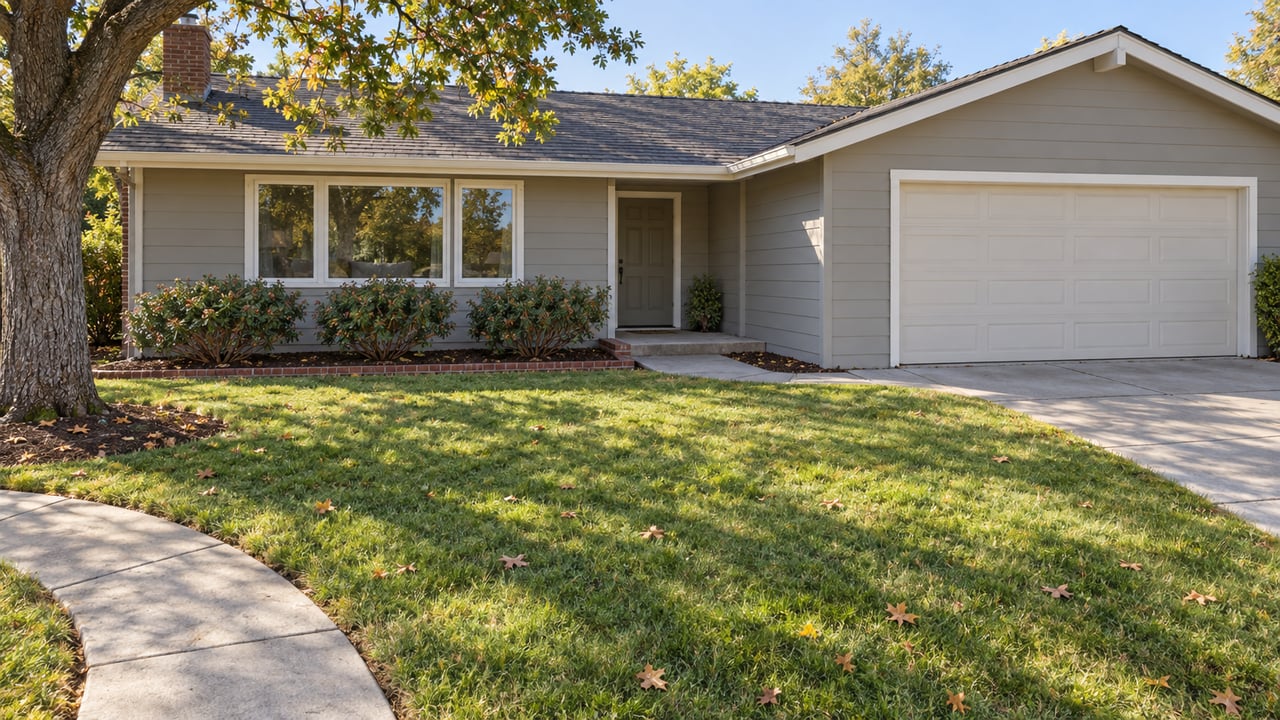
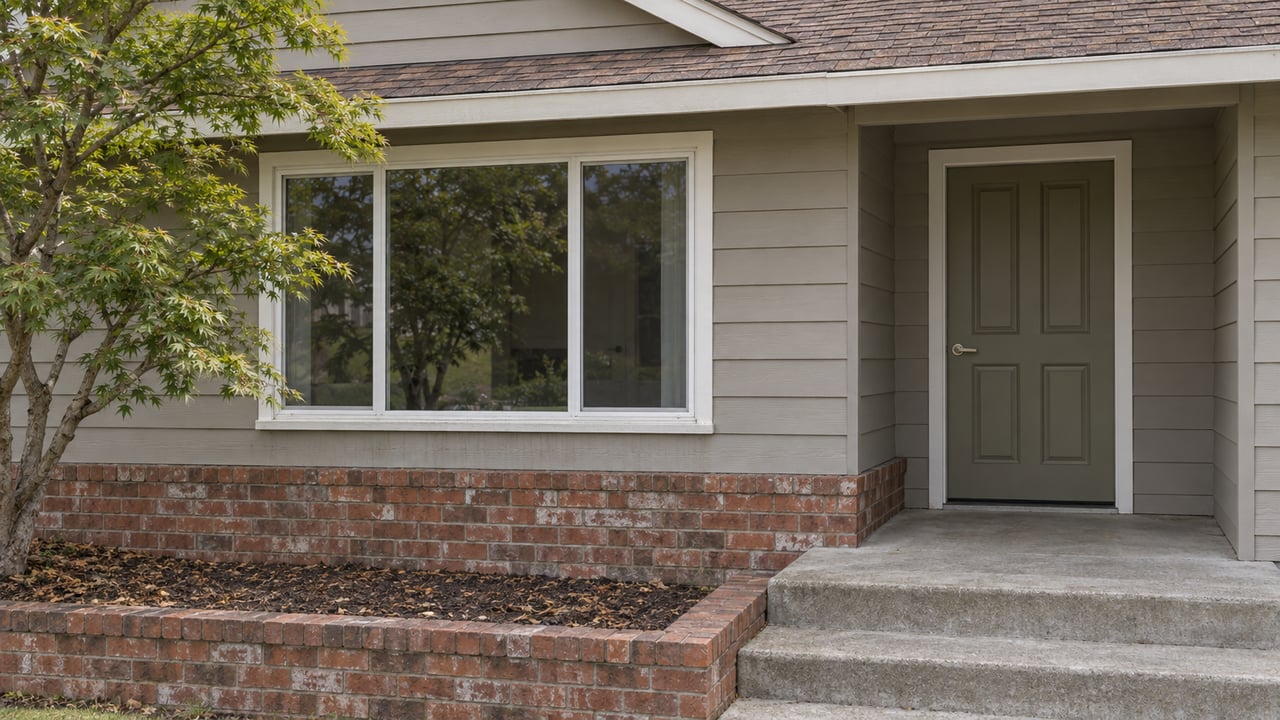
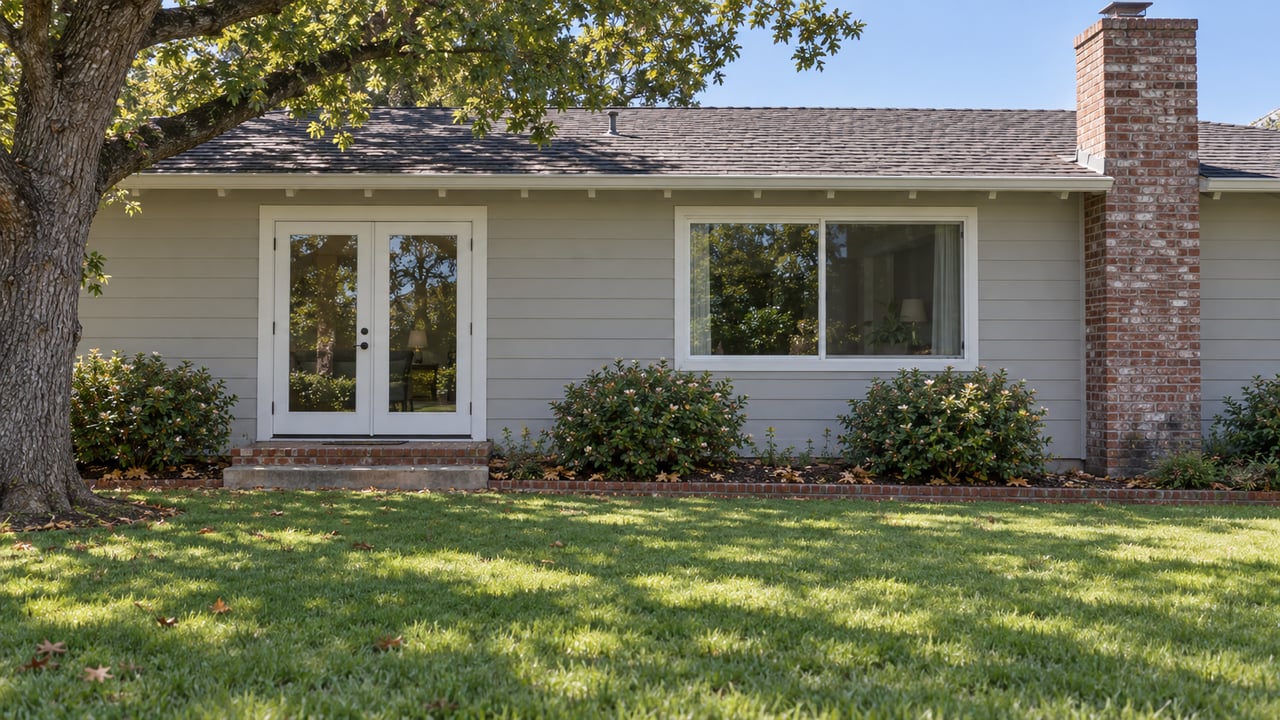
Lafayette is primarily single-family, with an architectural mix that reflects its mid-century growth and ongoing renovation.
- Common styles: mid-century ranch and split-level, Mediterranean/Spanish influences, and newer or remodeled contemporary homes.
- Lot sizes: many moderate-to-large parcels, plus hillside homes with views and walk-out levels.
- Multifamily: apartments, condos, and townhomes cluster near downtown and the BART station.
Downtown and BART area
If you want walkability, the streets around Lafayette Plaza and the BART station are your best bet. You’ll see smaller-lot homes, condos, and townhomes close to coffee, dining, banks, and everyday services. Transit access is excellent, and the vibe is active but neighborhood-focused.
Hills and residential enclaves
In the hills you’ll find larger lots, more privacy, and frequent views of the valley or surrounding ridgelines. Streets are quieter, and most errands are a short drive away. Homes here skew toward single-family and often include outdoor space for gardening, play areas, or entertaining.
Suburban pockets near major roads
Neighborhoods closer to the main corridors give you quick access to State Route 24 and I‑680. If you drive frequently for work or school activities, these pockets can save time while keeping you close to downtown.
Cost and market feel
Lafayette is pricier than the Contra Costa County median and many East Bay cities. Single-family homes commonly trade in the high six-figure to multi-million-dollar range, with many neighborhoods above the one-and-a-half million mark. Condos and townhomes, especially near downtown and transit, tend to be more attainable than hillside single-family homes. Inventory is often limited, and well-prepped, move-in-ready properties can draw strong interest.
For budgeting, remember California’s Proposition 13 framework sets a base property tax rate near 1 percent of assessed value, and local parcel or special assessments are typically added. Your exact tax bill depends on your purchase price and the assessments on that parcel.
Getting around
BART for regional access
Lafayette’s BART station is the go-to for many commuters heading to Oakland or San Francisco. Ballpark travel times are roughly 15 to 20 minutes to downtown Oakland and about 30 to 40 minutes to downtown San Francisco, depending on schedule and transfers. Check current BART schedules and maps before you plan your route. Station parking can fill on weekdays, so permits or early arrival may help.
Local bus service
County Connection links Lafayette with nearby cities like Walnut Creek and Concord. Routes work well for local trips, school activities, and midday errands. See County Connection bus routes for current schedules.
Driving and road access
State Route 24 runs west through the Caldecott Tunnel to Oakland and San Francisco and connects east to I‑680 and other corridors. Driving times fluctuate with peak congestion, which is why many SF-bound commuters choose BART. If you plan to drive daily, test your route during your usual hours.
Walkability and biking
Downtown Lafayette is one of the most walkable parts of the city. Outside downtown, especially in hillside areas, most errands require a car. The multi-use trail network helps for recreation and some local trips. The paved Lafayette-Moraga Regional Trail is a favorite for walking, jogging, and biking between the two communities.
Downtown life and amenities
Lafayette’s downtown is compact, friendly, and easy to navigate. You’ll find cafés, independent shops, neighborhood restaurants, grocery options, pharmacies, and professional services. For bigger retail and national brands, Walnut Creek’s larger shopping district is a short drive away.
The modern Lafayette Library and Learning Center anchors the civic scene with programs for all ages. You can expect seasonal events and a farmers market experience during the year. For current dates and details, check the City of Lafayette events calendar.
Parks, trails, and open space
If you love the outdoors, Lafayette’s trailheads and open spaces are a major draw.
- Lafayette Reservoir Recreation Area: Popular for walking and running loops, fishing, small-boat rentals, and relaxed weekend time by the water.
- Briones Regional Park: Expansive open space with hiking and mountain biking, rolling hills, and wide views, great for weekend adventures.
- Lafayette-Moraga Regional Trail: A paved multi-use trail for strollers, scooters, bikes, and casual runs.
You are also within a reasonable drive of Mount Diablo State Park and larger Contra Costa open spaces for longer hikes and scenic drives.
Schools and learning
Public schools in Lafayette are served by local districts that feed to the Acalanes Union High School District. Acalanes High School is located in Lafayette. Families often cite public schools as a key reason to choose the city. You can review district information, calendars, and resources through the Acalanes Union High School District. For younger grades, check local elementary and middle school district websites for boundaries and enrollment steps.
Private and parochial options are available in Lafayette and nearby communities, along with a range of preschools. Program offerings and admissions vary, so plan ahead to visit and confirm details directly with schools.
Trade-offs to consider
- Lifestyle vs cost: Lafayette delivers a quieter, suburban lifestyle with strong access to open space and a walkable core. You pay a premium compared with many other East Bay neighborhoods.
- Commute choices: BART simplifies trips to Oakland and San Francisco. Driving is straightforward but can be slower at peak times, especially through the Caldecott Tunnel.
- Walkability and nightlife: Downtown handles daily errands and neighborhood dining. For larger entertainment venues or a broader restaurant scene, nearby Walnut Creek expands your options.
- City services: Lafayette operates its own municipal services and police. For current civic updates or contacts, use the official City of Lafayette site.
Who Lafayette fits best
- You want a calm, suburban feel with a true neighborhood center.
- You value easy access to BART for Oakland or San Francisco.
- You enjoy parks, trails, and mild-weather outdoor time year-round.
- You prefer single-family homes and larger lots, even if that means a higher buy-in.
- You appreciate a local library, community events, and a family-friendly calendar.
How to start your search
- Define your must-haves: walkability, lot size, views, floor plan, and commute priorities.
- Explore three zones: downtown and BART-adjacent streets, hillside neighborhoods, and areas near major roads for faster driving access.
- Test your commute: ride BART during typical hours and drive your route at peak times.
- Review schools: start with district pages to confirm boundaries and enrollment steps.
- Plan your budget: include closing costs, property taxes under Prop 13, and likely updates.
- Partner with a local advisor: the right team will guide you on micro-neighborhoods, pricing, competition, and off-market opportunities.
If Lafayette feels like the right fit, you do not have to navigate the process alone. For calm, concierge-level representation from a Lafayette-based team, connect with Rochford Real Estate. Request a complimentary market evaluation and get a clear plan for your move.
FAQs
How does commuting from Lafayette to San Francisco work?
- Most commuters use BART for predictable timing. It usually takes about 30 to 40 minutes, depending on schedule and transfers. Always confirm current options on BART schedules and maps.
What public transit is available within Lafayette and nearby cities?
- BART is the regional backbone. County Connection provides local bus routes for trips to Walnut Creek, Concord, and nearby communities. Check County Connection bus routes for schedules.
What types of homes are common in Lafayette?
- You’ll mostly see single-family properties, including mid-century ranch and split-level homes, Mediterranean styles, and remodeled contemporary residences. Multifamily options cluster near downtown and BART.
Where can I go for outdoor recreation in Lafayette?
- The Lafayette Reservoir Recreation Area is a daily favorite, the Lafayette-Moraga Regional Trail is great for biking and running, and nearby Briones Regional Park offers extensive hiking and open space.
How are public schools organized in Lafayette?
- Local elementary and middle schools feed into the Acalanes Union High School District. Acalanes High School is in Lafayette. Review boundaries and resources on the Acalanes Union High School District website.
What is the vibe of downtown Lafayette compared with bigger hubs?
- Downtown Lafayette is compact and neighborhood-focused with cafés, shops, and services. For larger retail and major performing arts venues, most residents hop over to Walnut Creek.