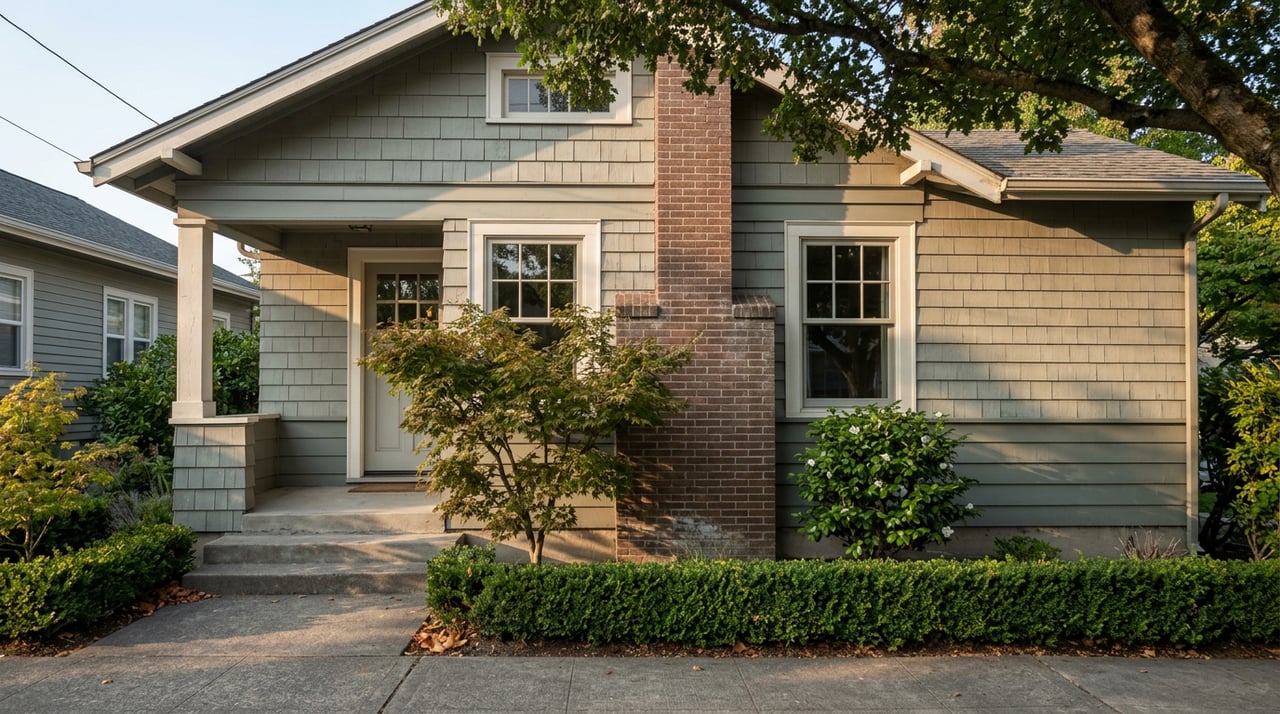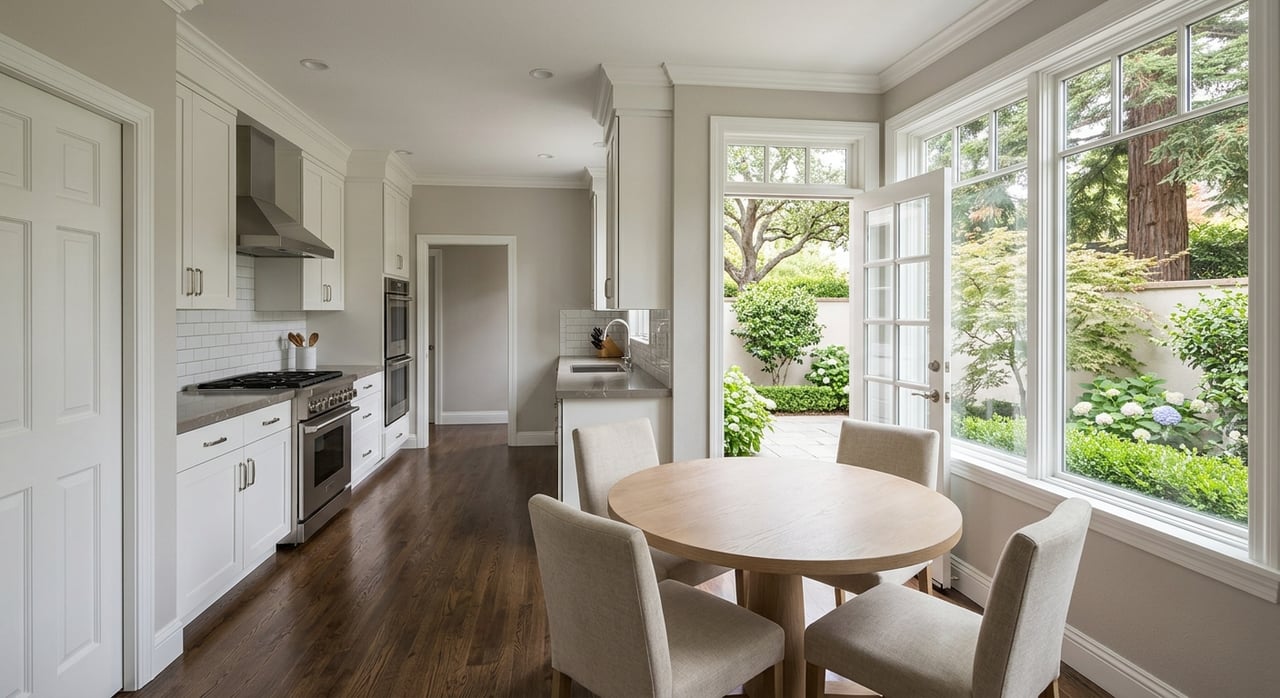
Thinking about leaving a large Alamo home can feel like two big projects at once: selling a valuable property and figuring out what comes next. If you have built years of equity and memories in your home, it is normal to want a process that feels organized, calm, and financially smart. This guide walks you through the key steps to downsize smoothly in Alamo, from early planning and prep to timing your next move with confidence. Let’s dive in.
Why downsizing in Alamo is different
Downsizing in Alamo is not the same as selling in a more typical market. According to U.S. Census QuickFacts for Alamo, the area has a very high owner-occupied rate, high household incomes, and a large share of residents age 65 and older. That often means sellers here are long-time owners with substantial equity and larger homes that need thoughtful preparation.
The local market also moves quickly at the high end. Redfin’s Alamo housing market data reported a March 2026 median sale price of $2.85 million, about 9 days on market, and frequent multiple-offer situations. In a market like this, your preparation needs to happen before you list, not after.
For added context, C.A.R. reported a Contra Costa County median sold price of $819,000 for existing single-family homes in February 2026, with a median 13 days on market. Alamo sits far above those county-level numbers, which is why pricing, presentation, and planning matter so much.
Start with a downsizing plan
Before you sort a single closet, get clear on your goals. The National Association of Realtors cleanout guide recommends starting with your timeline, decision-makers, and must-keep items. That framework is especially helpful when a large home, family input, and years of belongings are involved.
A simple early plan should answer a few basic questions:
- When do you want the home listed?
- Who needs to help make decisions?
- What are you keeping, donating, storing, or removing?
- Where do you plan to move next?
- Do you need sale proceeds before buying your next home?
Getting these answers in place early can prevent delays later. It also makes it easier to schedule staging, repairs, disclosures, and your move in the right order.
Build more time than you think you need
Many sellers underestimate how long prep takes, especially in a larger property. Realtor.com’s home-selling timeline notes that the average seller may need about two weeks to a month to get a home ready for sale, with decluttering averaging about one week per room. Larger repairs can take far longer.
That does not mean your Alamo home will take exactly that long. It does mean that waiting until you are ready to list can create unnecessary stress. In a market where homes can move quickly, it is often smarter to front-load the work so you are ready to launch when the timing is right.
Declutter with the sale in mind
Downsizing usually starts with deciding what will fit your next chapter. For many Alamo homeowners, that means editing years of furniture, keepsakes, storage items, and extra rooms that may no longer serve your day-to-day life. The goal is not just to remove things. It is to help buyers clearly understand the space.
The NAR cleanout guide suggests a step-by-step process that works well here:
- Identify decision-makers early
- Create clear keep, donate, and remove categories
- Focus on one zone or room at a time
- Schedule hauling or donation support early
- Finish with cleaning, repairs, and staging
This kind of structure can make a large project feel manageable. It also helps reduce last-minute decisions when listing photos and showings are approaching.
Focus on the rooms buyers notice most
Not every room needs the same level of attention. In the NAR 2025 staging report, buyers’ agents identified the living room, primary bedroom, and kitchen as the most important rooms to stage. The most commonly staged spaces were the living room, primary bedroom, dining room, and kitchen.
For a larger Alamo home, that usually means simplifying the layout, removing excess furniture, and making those main spaces feel open and easy to read in photos. Buyers do not need to see how much you can fit into a room. They need to see how comfortably they can live in it.
Use smart updates, not endless projects
When you are downsizing, it is easy to wonder how much work is worth doing before the sale. In most cases, the answer is not a major remodel. It is a thoughtful set of improvements that helps the home show cleanly and confidently.
Based on Realtor.com’s seller timeline guidance, common pre-listing projects often include:
- Touch-up paint
- Minor fixture updates
- Faucet or hardware replacement
- Landscaping refresh
- Deep cleaning
- Addressing visible deferred maintenance
A pre-listing inspection can also help surface issues before a buyer does. That can give you more control over repairs, pricing strategy, and negotiations.
Presentation can affect price and timing
Even in a strong market, presentation matters. According to an NAR report on home staging, 29% of agents said staging increased dollar value offered by 1% to 10%, and 49% said staging reduced time on market. That does not guarantee a specific result, but it supports the value of polished presentation.
In a premium market like Alamo, buyers often compare homes quickly and online first. Clean visuals, neutral styling, and a calm, well-prepared feel can help your home stand out without making the process feel overproduced.
Plan the sale and next home together
One of the biggest downsizing questions is timing. Do you sell first, buy first, or create an overlap period with temporary housing or a rent-back if needed? The right answer depends on your finances, comfort level, and the availability of your next home.
Realtor.com notes that some sellers stay in the home while they search for a replacement property. In a competitive market, that can be a practical option. The key is to discuss the sequence early, so your sale strategy supports your move rather than complicating it.
Understand Proposition 19 before you move
If you are 55 or older, California’s Proposition 19 information from the Board of Equalization is especially important. Qualifying homeowners age 55 or older, disabled homeowners, and certain disaster victims may be able to transfer their base-year value to a replacement principal residence anywhere in California. For qualifying homeowners age 55 or older, the transfer can generally be used up to three times.
The replacement home generally must be purchased or newly constructed within two years of the sale. If the replacement property is of equal or lesser value, there is generally no adjustment. If it is more expensive, the amount above that threshold is added to the transferred value.
For many downsizers, this can shape both budget and timing. That is why it helps to discuss your move strategy before you list, not after you accept an offer.
Gather disclosures early
California sellers have important disclosure obligations, and it is wise to prepare them early. The California Department of Real Estate consumer guide explains that the Real Estate Transfer Disclosure Statement describes the property’s condition and is required before transfer of title for one- to four-unit residential property. Related environmental hazard disclosures may also apply.
Starting this paperwork early can keep your transaction moving once you are in escrow. It also gives you time to gather records, answer questions carefully, and address issues that may come up during the process.
Remember that Alamo is county-oriented
Because Alamo is an unincorporated community, county processes matter. The Contra Costa County Alamo page notes that the Alamo Municipal Advisory Council advises the Board of Supervisors and that county code enforcement handles local violations. If there are property-specific issues, improvements, or compliance questions, county-level information may be part of the picture.
That is another reason to start early. A smooth sale often depends on clearing small questions before they become closing delays.
A practical downsizing checklist
If you want a simple way to begin, start here:
- Set your ideal listing and move timeline.
- Decide who will help make key decisions.
- Create keep, donate, store, and remove categories.
- Tackle decluttering one room at a time.
- Prioritize the living room, kitchen, dining room, and primary bedroom.
- Complete minor repairs and cosmetic touch-ups.
- Consider a pre-listing inspection.
- Gather disclosures and property records early.
- Map out your next-home timing, including any overlap needs.
- Review Proposition 19 implications before you buy.
Downsizing from an Alamo estate is a big transition, but it does not have to feel overwhelming. With the right sequence, strong preparation, and calm guidance, you can protect your time, reduce stress, and put your home in the best position for a successful sale. If you are preparing for a move and want a tailored strategy for your property, Rochford Real Estate can help you plan each step with a concierge-level approach designed for high-value East Bay homes.
FAQs
What makes downsizing from an Alamo home different from a typical home sale?
- Alamo has a high share of long-time owner occupants, high home values, and a fast-moving market, so downsizing often involves more planning, more belongings, and a stronger focus on presentation before listing.
How long does it take to prepare a large Alamo home for sale?
- A rough benchmark from Realtor.com is two weeks to a month for general prep, but decluttering, repairs, and staging for a larger home can take longer depending on the condition and scope of work.
Which rooms matter most when preparing an Alamo estate for sale?
- NAR staging data points to the living room, primary bedroom, kitchen, and dining room as high-impact spaces because buyers tend to focus on them most in photos and showings.
How can Proposition 19 affect an Alamo downsizing move?
- Qualifying California homeowners age 55 or older may be able to transfer their base-year property tax value to a replacement principal residence, which can affect both your budget and the timing of your next purchase.
What disclosures are required when selling a home in California?
- Sellers of one- to four-unit residential property generally need to provide a Real Estate Transfer Disclosure Statement and related disclosures about property condition and environmental hazards before transfer of title.
Why should Alamo sellers start planning before listing the home?
- Because Alamo homes can sell quickly, front-loading decluttering, repairs, disclosures, and move planning can help you avoid stress and make it easier to respond when the market timing is right.