Trying to choose between Pleasant Hill and Walnut Creek? If you want an East Bay location with solid commuter access, established housing, and everyday convenience, both cities deserve a close look. The right fit often comes down to how you want to live day to day, from the kind of home inventory you prefer to the feel of the downtown around you. Here’s a practical side-by-side look at housing and lifestyle so you can narrow your search with more confidence.
Big-Picture Feel
Pleasant Hill and Walnut Creek sit close together, but they offer a different overall rhythm. According to the City of Pleasant Hill’s economic development overview, Pleasant Hill is framed as a vibrant local business and residential community with an award-winning downtown and strong access to Interstate 680 and Highway 24.
Walnut Creek presents itself differently. The city describes Walnut Creek as a regional center for shopping, entertainment, recreation, and medical services, with a downtown focused on dining, shopping, arts, and entertainment. In simple terms, Pleasant Hill tends to read as more residential and neighborhood-scaled, while Walnut Creek feels more like a larger regional destination.
Housing Mix Compared
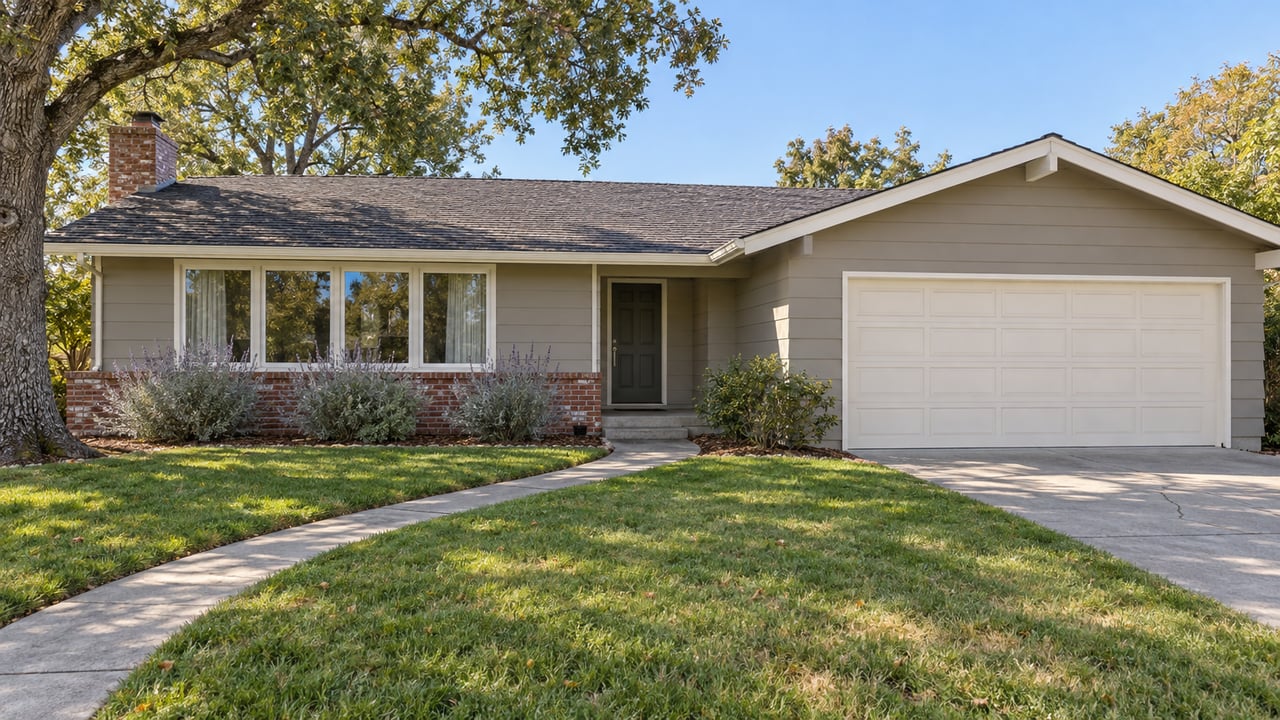
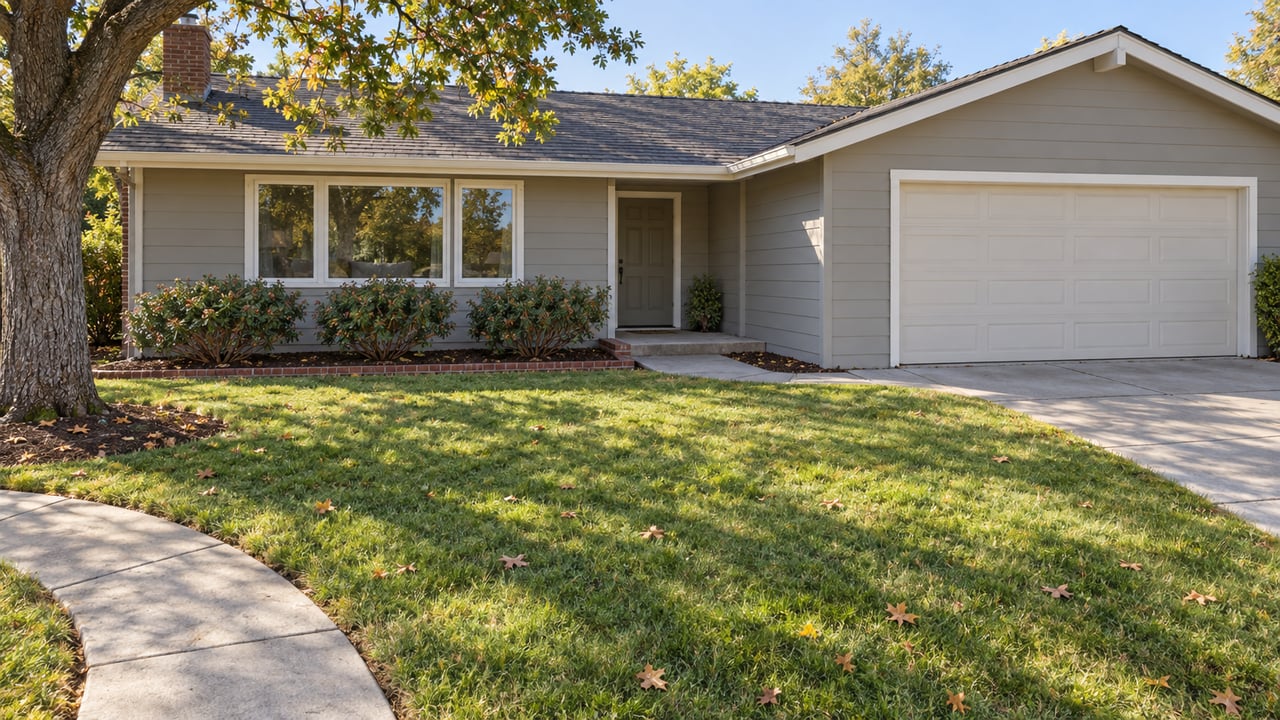
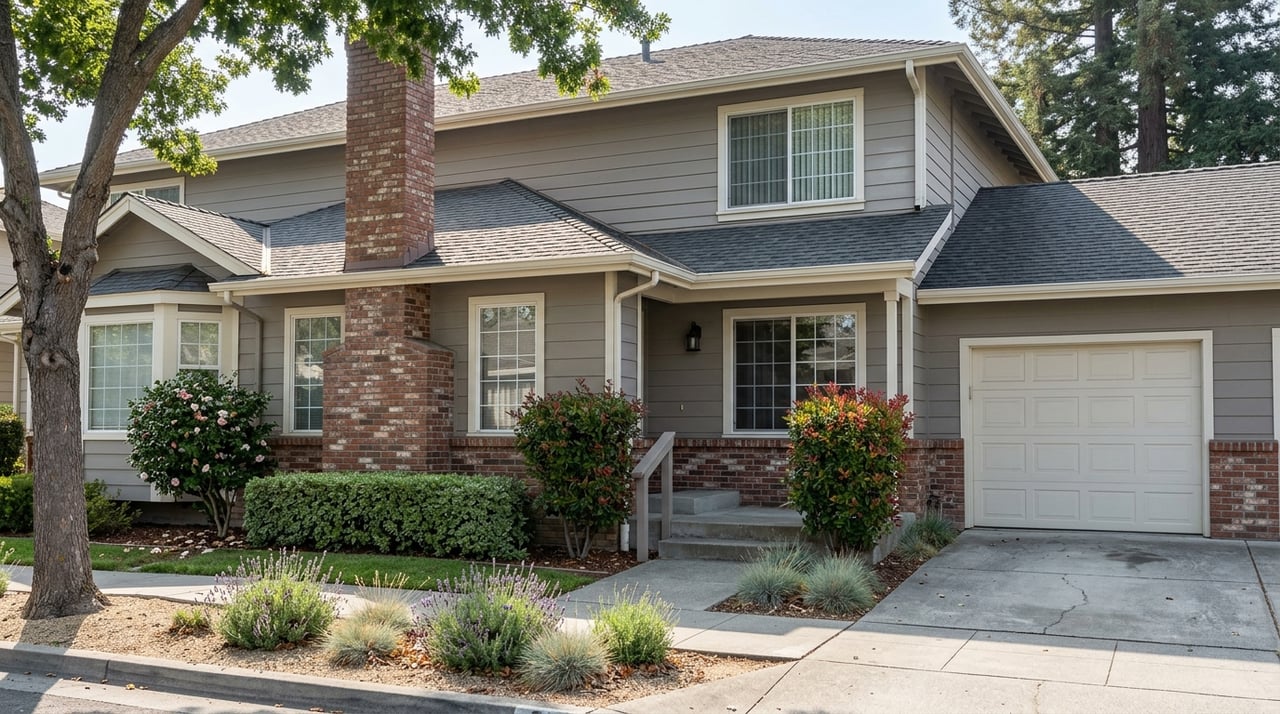
One of the biggest differences between Pleasant Hill and Walnut Creek is the type of housing you are more likely to find. Pleasant Hill leans more heavily toward detached homes, while Walnut Creek has a broader mix of condos, apartments, and multifamily housing.
According to Pleasant Hill’s housing element, 59.9% of the city’s homes were single-family detached in 2020. The same report shows 10.9% single-family attached homes, 7.0% small multifamily, 21.6% larger multifamily, and 0.6% mobile homes.
Walnut Creek’s housing element, as summarized in the research provided, shows a more multifamily-heavy profile. About 37% of housing units are single-family detached, 15% are single-family attached, and 48% are multifamily condos or apartments. That means if you want a more detached-home-oriented environment, Pleasant Hill may feel like the closer match, while Walnut Creek may offer more options if you are considering a condo or a downtown-adjacent residence.
Home Values and Rent
Current Census estimates show that owner-occupied median home values are fairly close between the two cities. U.S. Census QuickFacts for Pleasant Hill reports a median owner-occupied home value of $1,077,100 in Pleasant Hill and $1,057,300 in Walnut Creek.
Rental costs are also relatively close, though Pleasant Hill comes in a bit lower. Median gross rent is listed at $2,533 in Pleasant Hill compared with $2,680 in Walnut Creek. For many buyers, the more useful takeaway is not that one city is dramatically cheaper than the other, but that the housing format and setting may matter more than the headline median.
Pleasant Hill Housing Character
Pleasant Hill’s housing stock supports a more neighborhood-centered feel. Its housing element notes that the largest home-value band in 2019 was $500,000 to $750,000, and that prices increased 116.3% from 2010 to 2020.
Those figures help show a city with a strong long-term appreciation story and a housing base anchored by detached homes. If your goal is to prioritize a more traditional residential layout and a less dense setting, Pleasant Hill may stand out.
Walnut Creek Housing Character
Walnut Creek offers a denser and more varied housing profile. Its housing element says the city has higher shares of homes valued between $750,000 and $1.5 million than Contra Costa County and the Bay Area, and it cites a Zillow Home Value Index of $965,533 in 2020.
The same housing data notes that most recent growth has been in multifamily units. For you, that can translate to more choices in condos and apartments, especially if you want to be closer to a more active downtown environment.
Downtown Lifestyle
Downtown character is one of the clearest differences between these two cities. Pleasant Hill Downtown opened in 2000 with more than 350,000 square feet of retail space, entertainment venues, restaurants, and a central plaza area for community gatherings and events, according to city budget and planning materials.
The city also describes downtown as the heart of the community and a mixed-use district with retail, commercial, and office uses. That creates a local gathering place that supports everyday convenience without feeling like a major regional core.
Walnut Creek’s downtown has a bigger footprint and broader draw. The downtown association says Walnut Creek Downtown includes more than 120 restaurants and attracts over six million visitors each year. If you want a busier center with a stronger dining, shopping, and entertainment presence, Walnut Creek has the edge.
Transit and Commute Access
From a commute perspective, both cities perform well. Census estimates show average commute times are very similar, at 30.2 minutes in Pleasant Hill and 30.6 minutes in Walnut Creek, based on the same U.S. Census QuickFacts page.
Pleasant Hill/Contra Costa Centre Station is especially notable for how many transportation options meet in one place. BART describes the station as one of the system’s most easily accessed stations, where BART, bus routes, Highway 680, and the Iron Horse pedestrian and bicycle trail converge.
Walnut Creek Station is also a major asset. The research notes that BART identifies it as one of the busiest stations in Contra Costa County, serving about 7,000 riders a day, with connections that include County Connection, Solano Express, Wheels, and AC Transit 702 Early Bird Express. In practical terms, both cities work well for commuters, but Walnut Creek has the busier transit core, while Pleasant Hill stands out for easy multi-modal access.
Parks and Open Space
If outdoor access is high on your list, Walnut Creek offers a larger open-space network. Pleasant Hill’s open-space element says the city has almost 370 acres of open space, while the Recreation and Park District provides about 180 acres of parkland in the city, according to Pleasant Hill’s open-space and recreation planning document.
That same document highlights assets such as Pleasant Hill Park, Pleasant Oaks Park, Chilpancingo Park, Paso Nogal, Dinosaur Hill Park, and Rodgers Ranch Heritage Center. So while Pleasant Hill is not lacking in parks and recreation options, it operates on a smaller scale.
Walnut Creek has the broader system. The city says it manages over 3,000 acres of open space in four areas and more than seven miles of neighborhood trails, with major trail systems at Lime Ridge and Shell Ridge reaching 25 and 31 miles. If your ideal weekend involves a deeper network of trails and larger natural areas, Walnut Creek offers more range.
Which City Fits Your Priorities?
If you are deciding between Pleasant Hill and Walnut Creek, it helps to match the city to your daily habits and home goals.
Pleasant Hill may be a better fit if you want:
- A more modest, residential feel
- A housing stock with a stronger detached-home orientation
- A local downtown with community gathering spaces
- Slightly lower median rent
- Strong commuter access without as much regional-center intensity
Walnut Creek may be a better fit if you want:
- A larger and more active downtown scene
- More condo, apartment, and multifamily options
- A city that functions as a regional destination
- A busier transit hub
- More extensive open space and trail systems
Final Takeaway
There is no one-size-fits-all winner between Pleasant Hill and Walnut Creek. Pleasant Hill tends to appeal to buyers looking for a more residential setting with a detached-home feel and a smaller-scale downtown, while Walnut Creek stands out for its regional downtown, broader housing mix, and larger open-space system.
If you are weighing these tradeoffs as part of a move in Contra Costa County or the broader East Bay, working with a local advisor can help you focus on the neighborhoods, housing types, and commute patterns that best align with your goals. If you are ready for tailored guidance, Rochford Real Estate offers thoughtful, full-service support for buyers, sellers, and property owners across Lamorinda and surrounding East Bay communities.
FAQs
Which city has more detached homes, Pleasant Hill or Walnut Creek?
- Pleasant Hill has a more detached-home-oriented housing mix, with 59.9% single-family detached homes compared with about 37% in Walnut Creek.
Which city has a busier downtown, Pleasant Hill or Walnut Creek?
- Walnut Creek has the stronger regional downtown presence, with a larger concentration of dining, shopping, arts, and entertainment.
Which city has more open space, Pleasant Hill or Walnut Creek?
- Walnut Creek has significantly more open space, with over 3,000 acres managed by the city, while Pleasant Hill has almost 370 acres of open space plus about 180 acres of parkland.
Which city offers more condo and apartment options, Pleasant Hill or Walnut Creek?
- Walnut Creek offers more condo and apartment inventory because a larger share of its housing stock is multifamily.
Which city has the shorter commute time, Pleasant Hill or Walnut Creek?
- The difference is very small. Census estimates list average commute times at 30.2 minutes for Pleasant Hill and 30.6 minutes for Walnut Creek.